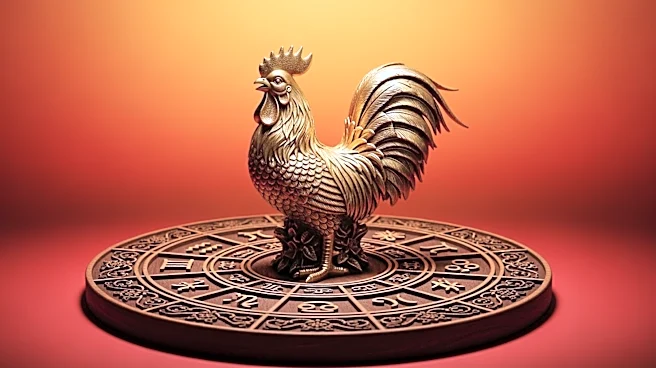






The Rooster is a prominent figure in the Chinese zodiac, representing one of the twelve animals in the cycle. Known for its association with honesty and diligence, the Rooster holds a unique place in Chinese astrology. Each animal in the zodiac is linked to specific years and elements, and the Rooster is no exception. This article delves into the significance of the Rooster, its elemental associations, and its cultural impact.
The Rooster's Place in the Zodiac
The Rooster is the tenth
sign in the Chinese zodiac, following the Monkey and preceding the Dog. It is represented by the Earthly Branch symbol, which is a key component of the Chinese calendar system. The zodiac cycle repeats every twelve years, with each year associated with a different animal. The Rooster's presence in this cycle highlights its importance in Chinese culture and astrology.
In addition to its position in the zodiac, the Rooster is also recognized in other cultural zodiacs, such as the Tibetan and Gurung zodiacs, where it is symbolized by a bird. This cross-cultural representation underscores the Rooster's widespread influence and the universal themes it embodies, such as vigilance and punctuality.
Elemental Associations of the Rooster
Each year in the Chinese zodiac is associated with one of the five elements: Wood, Fire, Earth, Metal, and Water. These elements rotate in a cycle, adding another layer of complexity to the zodiac signs. For the Rooster, different years are linked to different elements, affecting the characteristics attributed to those born in those years.
For instance, the years 2017 and 2039 are associated with the element Wood, while 2029 and 2030 are linked to Earth. These elemental associations influence the traits and fortunes of individuals born in those years. The interplay between the Rooster and its elements is a fascinating aspect of Chinese astrology, offering insights into personality traits and life paths.
Cultural Impact and Symbolism
The Rooster is often seen as a symbol of honesty and diligence, traits that are highly valued in Chinese culture. Its role in the zodiac reflects these qualities, as those born in the Year of the Rooster are believed to embody these characteristics. The Rooster's symbolism extends beyond astrology, influencing various cultural practices and beliefs.
In addition to its symbolic meanings, the Rooster is associated with specific lucky numbers, colors, and flowers. For example, the numbers 5, 7, and 8 are considered lucky for Roosters, while colors like brown, gold, and yellow are favored. These associations further enrich the Rooster's cultural significance, making it a multifaceted symbol in Chinese tradition.