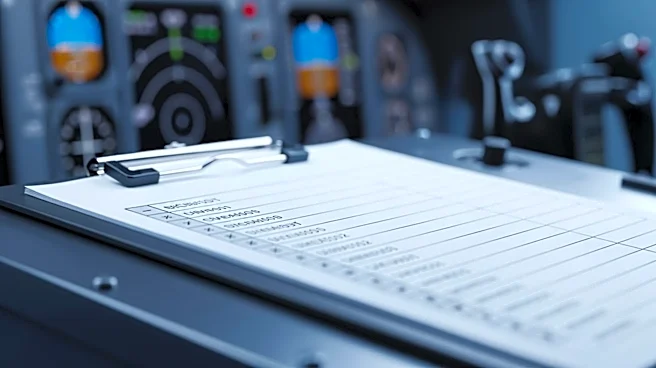






Checklists have become an indispensable tool in aviation, ensuring that critical procedures are followed to maintain safety. Their use in aviation is a testament to their effectiveness in reducing human error and enhancing operational efficiency. This article delves into the historical development of checklists in aviation and their impact on safety protocols.
Historical Development of Aviation Checklists
The concept of checklists in aviation gained prominence after the crash of the Boeing B-17
plane in 1935. This incident highlighted the need for a systematic approach to ensure that all necessary steps were completed before takeoff. The introduction of checklists provided a structured method for pilots and crew to verify that all safety-critical tasks were performed correctly.
Checklists have evolved over the years, becoming more comprehensive and tailored to specific aircraft and flight operations. They are now a standard part of pre-flight, in-flight, and post-flight procedures, ensuring that no critical step is overlooked. The development of checklists has been driven by the increasing complexity of aircraft systems and the need for consistent safety measures.
Impact on Aviation Safety
The use of checklists in aviation has significantly improved safety by reducing the likelihood of human error. By providing a clear and concise list of tasks, checklists help pilots and crew focus on each step, ensuring that nothing is missed. This systematic approach has been crucial in preventing accidents and incidents that could arise from oversight or forgetfulness.
Checklists also serve as a legal record of due diligence, demonstrating that all necessary safety checks have been completed. In the event of an accident, a signed-off checklist can provide evidence that the crew followed established protocols, potentially mitigating claims of negligence.
The Future of Checklists in Aviation
As aviation technology continues to advance, checklists will likely evolve to incorporate new systems and procedures. The integration of digital checklists and automated systems may further enhance their effectiveness, providing real-time feedback and updates to crew members.
Despite technological advancements, the fundamental role of checklists in ensuring safety will remain unchanged. They will continue to be a vital tool in aviation, helping to maintain high safety standards and protect passengers and crew. The ongoing development and refinement of checklists will ensure that they remain relevant and effective in the ever-changing landscape of aviation.