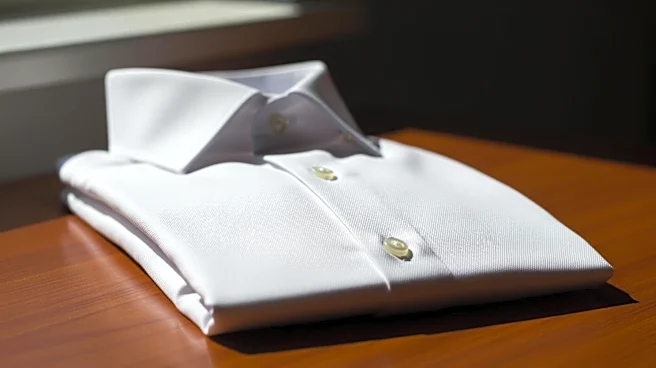




The dress shirt, a staple in men's fashion, has a rich history that traces back centuries. Originally an undergarment, it has evolved into a key component of formal and casual attire. This transformation reflects broader changes in fashion and society, illustrating how a simple garment can adapt and thrive through the ages.
Early Beginnings
The dress shirt's journey began as a basic undergarment worn exclusively by men. In the Middle Ages, it was a plain, undyed piece
of clothing worn next to the skin and under other garments. It was not meant to be seen, and its visibility was often associated with lower social status. However, by the seventeenth century, men's shirts began to be allowed to show, carrying a similar allure to visible underwear today.
As time progressed, the shirt became more elaborate. In the sixteenth century, shirts often featured embroidery, frills, or lace at the neck and cuffs. These embellishments signified wealth and status, as only the affluent could afford such luxuries. By the eighteenth century, the shirt had become an essential part of a man's wardrobe, with long tails serving the function of underpants.
The Nineteenth Century Transformation
The nineteenth century marked a significant turning point for the dress shirt. It began to be seen as more than just an undergarment. Colored shirts started to appear, although they were initially considered casual wear for lower-class workers. However, by the early twentieth century, colored shirts had become more acceptable, with light blue becoming particularly popular.
During this period, the detachable collar was invented, allowing for easier maintenance and a cleaner appearance. This innovation was a response to the labor-intensive process of laundering shirts, as collars and cuffs were the parts that required the most frequent cleaning. The detachable collar became a symbol of modernity and practicality.
Modern Adaptations
Today, the dress shirt is a versatile garment worn by both men and women. It has transcended its origins as an undergarment to become a fashion staple. The modern dress shirt is available in a wide range of colors, patterns, and fabrics, catering to various tastes and occasions.
The shirt's evolution reflects broader changes in fashion and society. It has adapted to technological advancements, such as the introduction of wrinkle-free fabrics, and cultural shifts, like the acceptance of more casual dress codes. Despite these changes, the dress shirt remains a symbol of elegance and sophistication, proving its enduring appeal in the world of fashion.