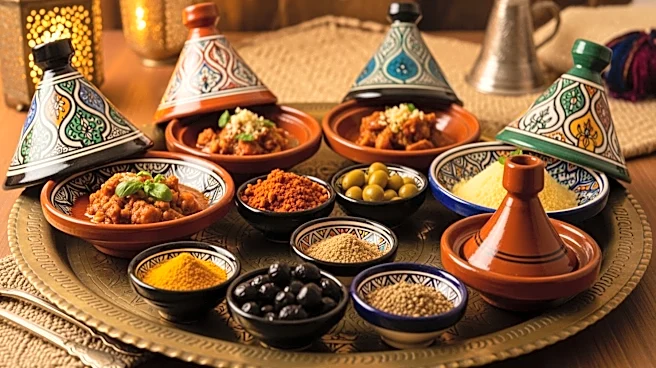








Moroccan meals are a celebration of flavors, textures, and communal dining. The structure of a traditional Moroccan meal reflects the country's rich culinary heritage and cultural practices. From the initial salads to the main courses and desserts, each component is thoughtfully prepared and presented, creating a harmonious and satisfying dining experience.
Appetizers and Salads
A typical Moroccan meal begins with a selection of hot and cold salads, which serve as appetizers.
These salads are often made with fresh, seasonal vegetables and are seasoned with a variety of spices and herbs. Common salads include zaalouk, a mixture of eggplant and tomatoes, and taktouka, a blend of tomatoes, smoked green peppers, and garlic.
These salads are not only flavorful but also visually appealing, often garnished with olives or fresh herbs. They are typically served with bread, which is used to scoop up the salads and enjoy the flavors. This communal style of eating encourages sharing and conversation, setting the tone for the rest of the meal.
Main Courses
The main course of a Moroccan meal is usually a tagine or couscous dish. Tagines are slow-cooked stews made with meat, vegetables, and a variety of spices. The conical shape of the tagine pot helps to retain moisture and infuse the ingredients with flavor. Common tagine ingredients include lamb, chicken, and fish, often paired with vegetables like carrots, potatoes, and zucchini.
Couscous, another staple of Moroccan cuisine, is often served with a stew of meat and vegetables. It is typically topped with a mixture of caramelized onions, raisins, and spices, known as tfaya. Both tagines and couscous are served in large communal dishes, allowing diners to share and enjoy the meal together.
Desserts and Beverages
Moroccan meals typically conclude with a selection of fresh fruits or traditional desserts. Seasonal fruits like oranges, figs, and dates are commonly served, offering a refreshing and natural sweetness. For those with a sweet tooth, desserts like kaab el ghzal, a pastry filled with almond paste, or chebakia, a honey-soaked pastry, are popular choices.
Mint tea, known as atay, is the beverage of choice in Morocco and is often served at the end of a meal. The preparation and serving of mint tea is considered an art form, with the tea being poured from a height to create bubbles. This ritual is an integral part of Moroccan hospitality and provides a soothing conclusion to the meal.
Together, these elements create a dining experience that is both flavorful and culturally rich, reflecting the warmth and generosity of Moroccan hospitality.