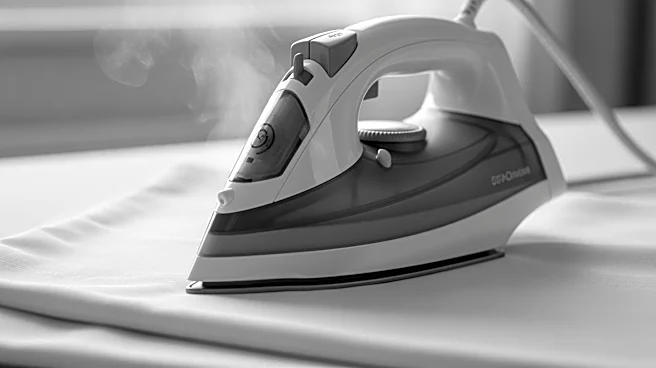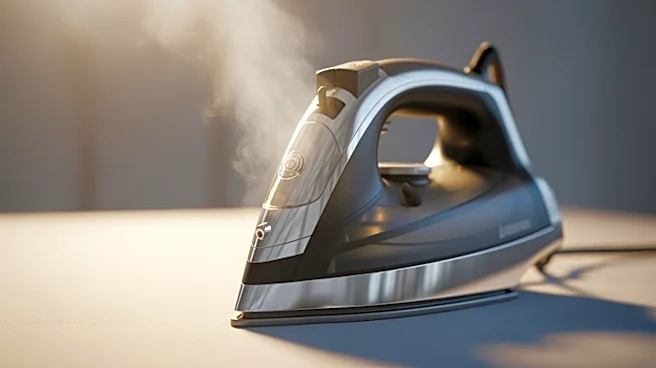






Ironing is a common household task that involves using a heated appliance to remove wrinkles from fabric. While the process may seem straightforward, it is underpinned by scientific principles that make clothes irons effective. This article delves into the mechanisms and science behind ironing, explaining how these appliances achieve their results.
The Role of Heat and Pressure
At the core of ironing is the application of heat and pressure to fabric. Clothes irons are designed
to reach temperatures ranging from 121 °C (250 °F) to 182 °C (360 °F), depending on the type of fabric being ironed. The heat loosens the ties between the long chains of molecules in polymer fiber materials, allowing the fibers to be stretched and reshaped.
The weight of the ironing plate, combined with the heat, helps flatten the fabric, removing wrinkles and creases. As the fabric cools, it maintains its new shape, resulting in a smooth appearance. This process is particularly effective for materials like cotton, which require the use of water to further loosen intermolecular bonds.
Steam: Enhancing the Ironing Process
Modern irons often incorporate steam to enhance the ironing process. Steam helps penetrate the fabric, making it easier to remove stubborn wrinkles. The injection of steam through the fabric during ironing aids in loosening the bonds between fibers, allowing them to be reshaped more effectively.
Steam irons are equipped with a water reservoir that generates steam, which is then released through the hot soleplate into the clothes. Features like constant steam and steam burst functions provide users with options to tailor the ironing process to their needs, ensuring optimal results.
Advanced Features for Improved Efficiency
Today's irons come with a range of advanced features designed to improve efficiency and user experience. Thermostats ensure the maintenance of a constant temperature, while temperature control dials allow users to select the appropriate setting for different types of cloth, such as silk, wool, cotton, and linen.
Additional features like non-stick coatings on the soleplate help the iron glide smoothly across the fabric, reducing friction and preventing damage. Energy-saving controls and anti-burn systems further enhance safety and efficiency, making ironing a more convenient and effective household task.
In summary, the science behind ironing involves the application of heat, pressure, and steam to reshape fabric fibers. With modern advancements, clothes irons continue to be a vital tool in maintaining the appearance of garments, reflecting the intersection of technology and everyday life.