





Denim, a fabric known for its durability and distinctive appearance, has a fascinating production process that transforms raw cotton into the iconic material used in jeans and other garments. This article explores the intricate steps involved in creating denim, highlighting the craftsmanship and techniques that contribute to its unique characteristics.
The Journey Begins: Cotton to Yarn
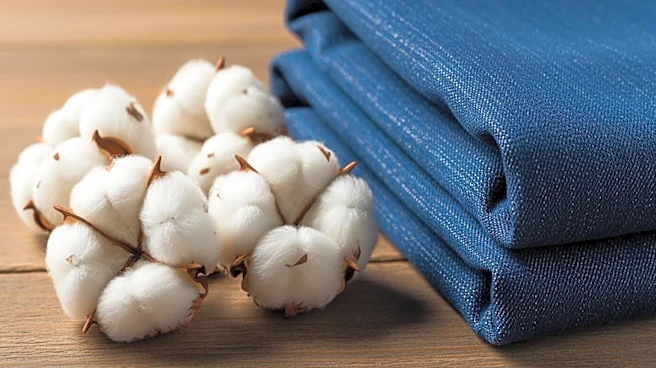
The creation of denim begins with cotton, a natural fiber that is spun into yarn. The process starts
with cleaning and combing the cotton fibers to ensure they are of similar length and cohesion. This preparation is crucial for producing a strong and consistent yarn, which forms the foundation of the denim fabric.
Once the cotton fibers are ready, they are spun into yarn using industrial machines. Traditional denim yarn is composed entirely of cotton, but some variations may include an elastane component, such as Spandex or Lycra, to create stretch denim. This addition allows for greater elasticity, enhancing the comfort and fit of the final garment.
Dyeing and Weaving: Creating the Denim Fabric
Dyeing is a critical step in the denim production process, as it gives the fabric its characteristic color. Originally, denim was dyed using natural indigo extracted from plants, but today, most denim is dyed with synthetic indigo. The yarn undergoes a repeated sequence of dipping and oxidation, with more dips resulting in a stronger color.
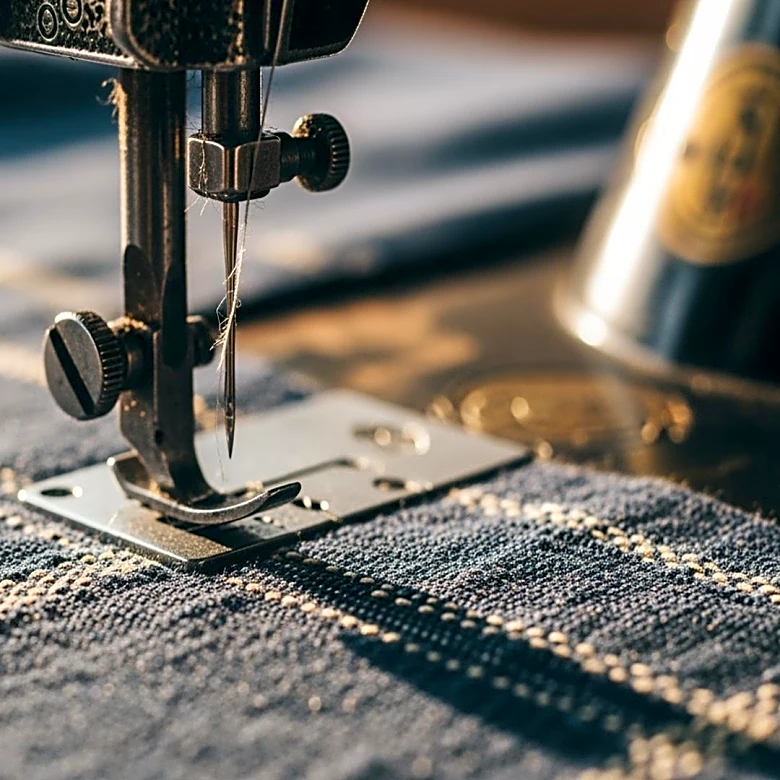
The weaving process follows dyeing, where the yarns are woven on a loom to create the denim fabric. Denim is a warp-faced textile, meaning the weft passes under two or more warp threads, producing a diagonal ribbing. This twill weave distinguishes denim from other fabrics and contributes to its durability and unique appearance.
Finishing Touches: Sanforization and Distressing
After weaving, the denim fabric undergoes sanforization, a process that pre-shrinks the material to prevent further shrinkage after washing. This step ensures that the final garment maintains its size and fit, providing a more reliable product for consumers.
Denim can also undergo various treatments to achieve different looks and textures. Distressing techniques, such as stone washing or sandblasting, are used to create a worn or vintage appearance. These methods enhance the fabric's aesthetic appeal, making it a popular choice for fashion-forward consumers.
Conclusion: The Artistry of Denim
The process of creating denim is a testament to the craftsmanship and innovation that have made it a beloved fabric worldwide. From the careful selection of cotton fibers to the intricate dyeing and weaving techniques, each step contributes to the unique qualities that define denim.
As a fabric that has stood the test of time, denim continues to evolve, adapting to new trends and technologies while maintaining its iconic status. Its journey from cotton to finished fabric is a remarkable story of artistry and tradition, making denim a true icon in the world of textiles.