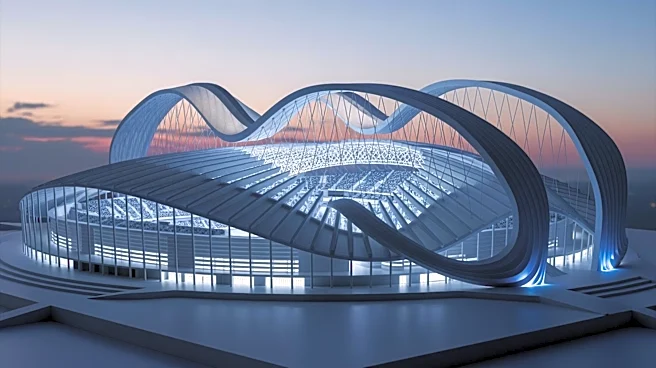







The Volgograd Arena stands as a testament to modern architectural ingenuity and design. Located in Volgograd, Russia, this football stadium was one of the venues for the 2018 FIFA World Cup. With a seating capacity of 45,568, the arena is not only a hub for sports enthusiasts but also a marvel of contemporary architecture. Its design and construction reflect a blend of functionality and aesthetic appeal, making it a significant landmark in the region.
Unique Design Features
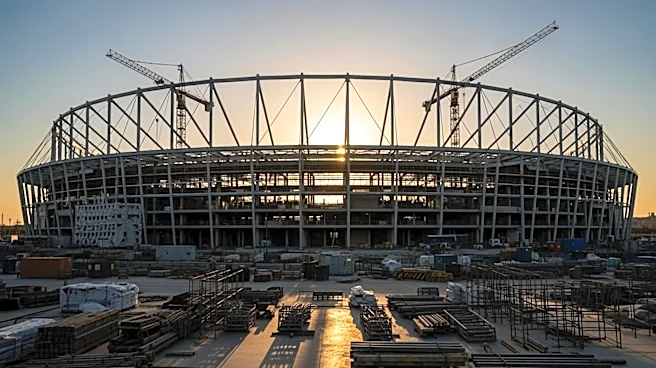
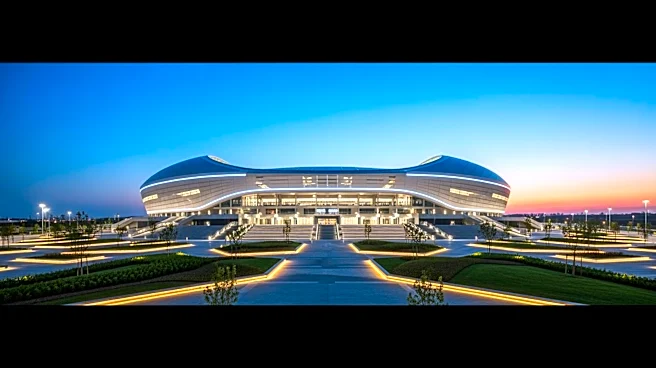
One of the most striking features of the Volgograd Arena is its large roof, which rests on a cable frame arranged in a "bicycle wheel" pattern. This innovative design is created using steel-wire cables, providing both stability and a visually appealing structure. The stadium is shaped like an overturned truncated cone, standing 49.5 meters tall and approximately 303 meters in diameter. This unique shape was dictated by the need to fit the building compactly into the available land, showcasing the architects' ability to blend form with function.
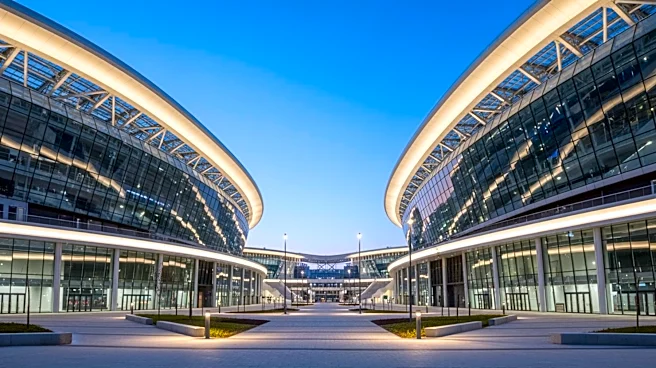
The facade of the arena is another noteworthy aspect. It is designed to fit seamlessly into the surrounding landscape, enhancing the overall aesthetic of the area. The stadium's design not only serves a practical purpose but also adds to the visual appeal of the Volgograd skyline. The use of modern materials and techniques in its construction highlights the advancements in architectural design and engineering.
Accessibility and Facilities
The Volgograd Arena is equipped with 42 elevators, 24 of which are adapted for people with disabilities, ensuring accessibility for all visitors. This focus on inclusivity is a significant aspect of the stadium's design, making it a welcoming space for everyone. The arena also features a state-of-the-art sound system, enhancing the experience for spectators during events.
In addition to its accessibility features, the stadium includes various seating options to accommodate different needs. It has 2,280 seats in the media box, 640 seats in the VIP box, and 460 seats for people with limited mobility. These facilities ensure that the arena can host a wide range of events, from local matches to international tournaments.
Construction and Legacy
The construction of the Volgograd Arena began in 2014 and was completed in 2017, with a total cost of 16.3 billion rubles. The project was managed by Stroytransgaz, with the design created by PI Arena and GMP Architekten. The stadium was inaugurated in April 2018, just in time for the FIFA World Cup.
Since its opening, the Volgograd Arena has become a symbol of modern architecture and a key venue for sports in Russia. It continues to host FC Rotor Volgograd and serves as a reminder of the city's rich history and its role in international sports. The arena's design and construction have set a benchmark for future stadiums, combining functionality with aesthetic appeal.