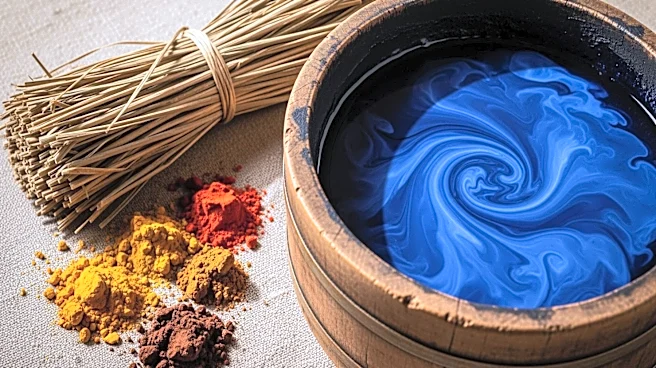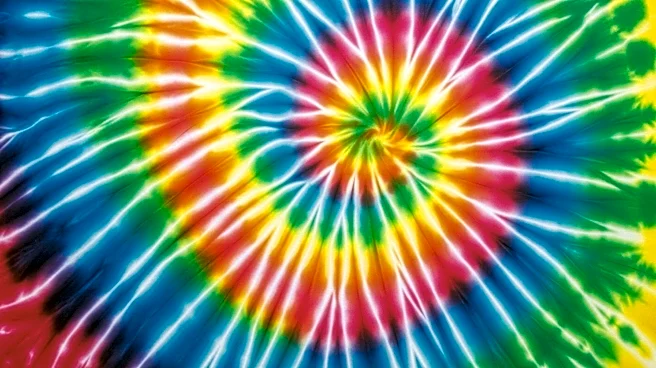

Tie-dye is more than just a fabric dyeing technique; it is a cultural symbol that has evolved over time. Known for its vibrant colors and psychedelic patterns, tie-dye became a hallmark of the 1960s and 70s
counterculture movement. However, its roots extend far beyond this period, with historical examples found in various cultures around the world. This article explores the cultural significance of tie-dye and its journey through history.
Historical Roots
The history of tie-dye can be traced back to ancient times, with early examples found in China and Peru. In China, the technique dates back to the Sui dynasty, while in Peru, pre-Columbian tie-dye artifacts have been discovered, showcasing intricate designs and bright colors. These early examples highlight the global nature of tie-dye and its longstanding presence in human history.
In Asia, tie-dye has been practiced for centuries, with techniques like shibori in Japan and bandhani in India. Each region developed its own unique methods and styles, contributing to the rich tapestry of tie-dye traditions. These techniques were often used to create elaborate garments and textiles, reflecting the cultural and artistic values of their respective societies.
The 1960s and 70s Counterculture
Tie-dye gained widespread popularity in the Western world during the 1960s and 70s, becoming a symbol of the counterculture movement. It was embraced by hippies and rock stars alike, who used the vibrant patterns to express individuality and rebellion against mainstream norms. The affordability and accessibility of tie-dye made it a popular choice for customizing clothing, turning simple garments into psychedelic works of art.
During this time, tie-dye was not just a fashion statement but also a form of protest. It represented a break from traditional values and an embrace of creativity and freedom. The bold colors and patterns became synonymous with peace, love, and the desire for social change, capturing the spirit of the era.
Modern Revival
In recent years, tie-dye has experienced a resurgence in popularity, with a renewed interest in more sophisticated techniques and designs. The fashion industry has embraced tie-dye as an art form, exploring new patterns and color schemes. This modern revival has seen tie-dye move beyond its counterculture roots, becoming a versatile and fashionable choice for a wide range of garments and accessories.
Today, tie-dye continues to be a symbol of creativity and self-expression. Its rich history and cultural significance make it a timeless art form that resonates with people around the world. Whether as a nod to its counterculture past or as a modern fashion statement, tie-dye remains a vibrant and enduring part of our cultural landscape.