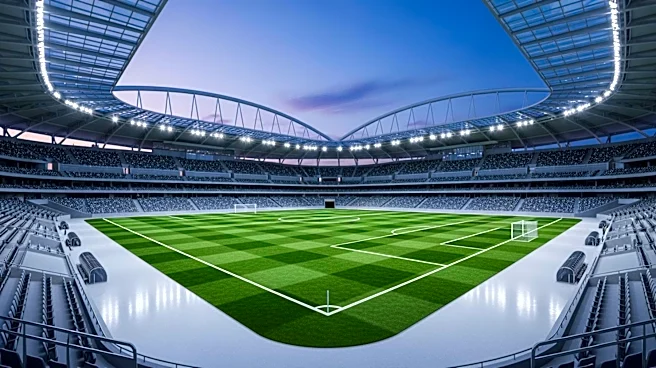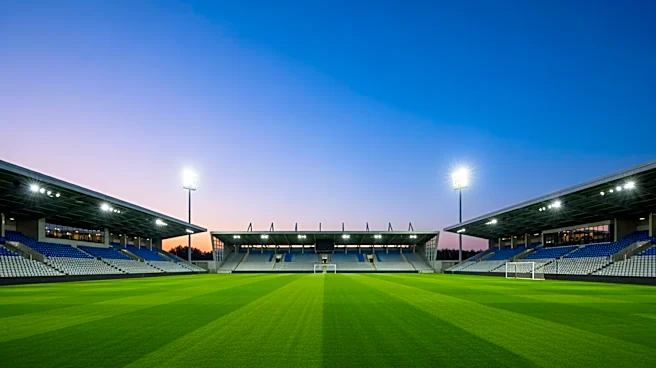




Max-Morlock-Stadion is more than just a sports venue; it is a symbol of Nuremberg's rich sporting culture and community spirit. Since its opening in 1928, the stadium has been a central hub for sports enthusiasts and a source of pride for the city. Its evolution over the years reflects the changing dynamics of Nuremberg's relationship with sports and its community.
A Community Landmark
Located in the heart of Nuremberg, Max-Morlock-Stadion has been a landmark for the local
community for decades. It serves as the home stadium for 1. FC Nürnberg, a club with deep roots in the city. The stadium's presence has fostered a strong sense of community among fans, who gather to support their team and celebrate their shared passion for football.
The stadium's role extends beyond just hosting football matches. It has been a venue for various community events, concerts, and cultural gatherings, making it a versatile space that brings people together. This multifaceted use of the stadium has strengthened its position as a cultural icon in Nuremberg, reflecting the city's vibrant and diverse community.
Honoring a Local Legend
In 2017, the stadium was officially named Max-Morlock-Stadion, in honor of Max Morlock, a legendary footballer from Nuremberg. Morlock was a key player for 1. FC Nürnberg and a member of the West Germany team that won the 1954 FIFA World Cup. Naming the stadium after him was a tribute to his contributions to the sport and his lasting impact on the community.
This renaming was not just a symbolic gesture; it was a reflection of the deep connection between the stadium, the city, and its people. Max Morlock's legacy continues to inspire new generations of athletes and fans, reinforcing the stadium's role as a beacon of Nuremberg's sporting spirit.
A Venue for Future Generations
As Nuremberg continues to grow and evolve, Max-Morlock-Stadion remains a vital part of the city's future. Plans for further renovations and sustainability initiatives ensure that the stadium will continue to serve the community for years to come. These efforts highlight the city's commitment to preserving its cultural heritage while adapting to modern needs.
The stadium's ongoing evolution is a testament to its enduring significance in Nuremberg. It stands as a symbol of the city's resilience, passion for sports, and dedication to community. As a venue that has witnessed countless memorable moments, Max-Morlock-Stadion will continue to be a cherished part of Nuremberg's identity.