



While melanocytes are primarily known for their role in skin pigmentation, these cells have additional functions that extend beyond producing melanin. Recent research has uncovered their involvement in the immune system, highlighting their importance in maintaining overall skin health and responding to environmental challenges.
Melanocytes as Immune Cells
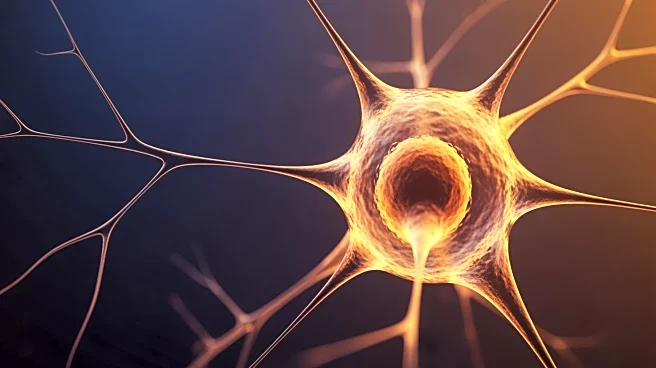
Melanocytes share several characteristics with dendritic cells, a type of immune cell. They have a branched morphology, phagocytic
capabilities, and the ability to present antigens to T-cells. These features suggest that melanocytes play a role in the immune response, acting as sentinels against harmful pathogens.
Located in the stratum basale of the epidermis, melanocytes are ideally positioned to detect and respond to invading microorganisms. They interact with other immune cells, such as keratinocytes and Langerhans cells, to mount an effective defense. Melanocytes can express MHC Class II molecules, which are typically found on professional antigen-presenting cells, allowing them to present antigens and stimulate T-cells.
Cytokine Production and Immune Response
In addition to presenting antigens, melanocytes produce and release various cytokines, which are signaling molecules that mediate immune responses. They express proinflammatory cytokines such as IL-1, IL-3, IL-6, IL-8, TNF-α, and TGF-β. These cytokines are secreted in response to activation of pattern recognition receptors, which recognize microbial-associated molecular patterns on pathogens.
Cytokine production by melanocytes can also be triggered by signals from other nearby immune cells. This ability to produce cytokines and interact with other immune cells underscores the role of melanocytes in the skin's immune defense. By participating in the immune response, melanocytes contribute to the skin's ability to protect against infections and maintain homeostasis.
Broader Biological Functions
Beyond their roles in pigmentation and immunity, melanocytes are involved in other biological processes. They are present in various tissues, including the eye, inner ear, and heart, where they may have additional functions. For example, in the inner ear, melanocytes are thought to play a role in hearing by influencing the ionic composition of the endolymph, a fluid in the cochlea.
The presence of melanocytes in diverse tissues suggests that these cells have evolved to perform multiple functions, adapting to the specific needs of different organs. Understanding the broader roles of melanocytes can provide insights into their contributions to health and disease, highlighting their significance beyond skin pigmentation.