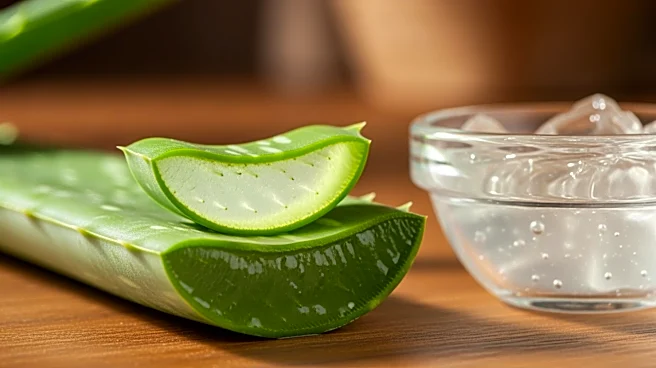






Aloe vera, a succulent plant species, is renowned for its wide range of applications, particularly in medicine and cosmetics. Originating from the Arabian Peninsula, this evergreen perennial has been cultivated globally, thriving in tropical, semi-tropical, and arid climates. Its leaves contain a gel rich in polysaccharides, which is used in various topical treatments. Additionally, the plant's latex is utilized for its laxative properties. This article
delves into the diverse uses of Aloe vera, highlighting its significance in different industries.
Medicinal Applications
Aloe vera gel is widely used in the medical field for its soothing and healing properties. The gel is commonly applied to the skin to treat burns, wounds, frostbite, rashes, psoriasis, cold sores, and dry skin. Its effectiveness in alleviating these conditions is attributed to the presence of acemannan, a polysaccharide that promotes skin healing. Despite its popularity, there is conflicting evidence regarding its efficacy in treating wounds and burns. Some studies suggest that Aloe vera may delay the healing of certain types of wounds, while others indicate its potential benefits in treating second- and third-degree burns.
In addition to its topical applications, Aloe vera latex is used as a natural laxative. The latex contains aloin, a compound that stimulates bowel movements. However, the use of Aloe vera latex for constipation relief is not without risks. Chronic ingestion can lead to adverse effects such as abdominal pain, diarrhea, and even kidney disorders. As a result, the U.S. Food and Drug Administration banned the use of aloin in over-the-counter laxative products in 2002.
Cosmetic and Skincare Uses
The cosmetic industry extensively utilizes Aloe vera gel for its moisturizing and soothing properties. It is a common ingredient in lotions, creams, and gels designed to hydrate and protect the skin. Aloe vera is also found in a variety of personal care products, including shampoos, conditioners, and facial tissues. Its inclusion in these products is often due to its ability to reduce skin irritation and provide a cooling effect.
Despite its widespread use, Aloe vera can cause allergic reactions in some individuals. Symptoms may include redness, itching, and swelling of the skin. Therefore, it is essential for consumers to perform a patch test before using Aloe vera-based products extensively.
Commercial Production and Global Impact
Aloe vera is cultivated on a large scale in various countries, including Australia, Cuba, China, Mexico, and the United States. The plant's commercial production is primarily driven by the cosmetics industry, which demands high-quality Aloe vera gel for its products. The global cultivation of Aloe vera not only supports the cosmetics sector but also contributes to the economies of the producing countries.
In addition to its economic impact, Aloe vera plays a role in sustainable agriculture. Its ability to thrive in arid conditions makes it an ideal crop for regions with limited water resources. As a result, Aloe vera cultivation can contribute to environmental conservation efforts by promoting water-efficient farming practices.