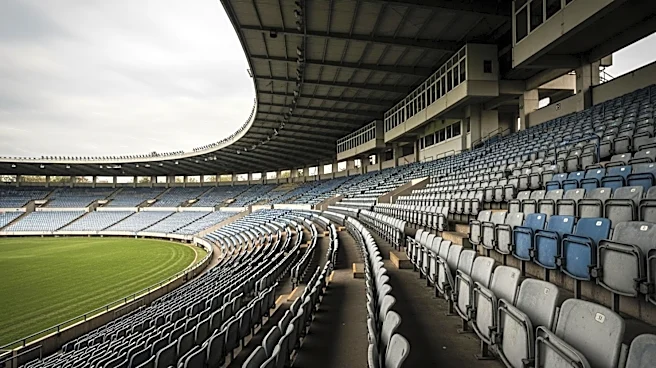







Stadio delle Alpi was a significant sports venue in Turin, Italy, that served as a home for both Juventus and Torino Football Clubs. Built to host the 1990 FIFA World Cup, the stadium had a relatively short lifespan, being demolished in 2009. This article explores the history of Stadio delle Alpi, from its inception to its eventual replacement by the Juventus Stadium.
Construction and Opening
The construction of Stadio delle Alpi began in March 1988, with the aim of providing
a modern venue for the 1990 FIFA World Cup. Designed by Studio Hutter, the stadium was completed in just two years, thanks to the use of prefabricated concrete. It officially opened on May 31, 1990, with a match between a joint Juventus-Torino team and FC Porto, which ended in a 4-3 victory for the home side.
The stadium was built to replace the aging Stadio Olimpico, then known as Stadio Comunale. It was designed to accommodate both football and athletics, featuring a running track around the pitch. However, the lack of a warm-up track meant it was never used for major athletics events. The original capacity was 69,041, but FIFA regulations reduced it to 67,229 to ensure the segregation of home and away fans.
Challenges and Criticisms
Despite its modern design, Stadio delle Alpi faced several challenges. The athletics track around the pitch created poor visibility for spectators, a common criticism throughout its existence. The stadium's location on the outskirts of Turin also made it less accessible for fans, contributing to lower attendance figures.
Financial issues also plagued the stadium. High rental costs led to disputes between the clubs and the city council. In 1994, Juventus even moved their UEFA Cup semi-final and final matches to the San Siro in Milan due to these escalating costs. In 2002, Juventus purchased the stadium from the city council for approximately €25 million, but the issues persisted.
Demolition and Legacy
By 2006, both Juventus and Torino had moved to the renovated Stadio Olimpico, leaving Stadio delle Alpi vacant. The decision was made to demolish the stadium, which was completed in 2009. In its place, the new Juventus Stadium was constructed, opening in 2011.
The new stadium addressed many of the issues faced by Stadio delle Alpi. It eliminated the athletics track, bringing fans closer to the action, and included modern amenities. The Juventus Stadium also featured a reduced capacity of 41,475, making it more financially viable.
Stadio delle Alpi's legacy is a mixed one. While it served as a venue for the 1990 World Cup and hosted numerous memorable matches, its design flaws and financial challenges overshadowed its achievements. The lessons learned from its shortcomings have informed the design of modern stadiums, ensuring better experiences for fans and clubs alike.