





Gratitude is more than just a fleeting feeling of thankfulness; it is a powerful emotion that plays a significant role in human societies. This article explores how gratitude functions as a social and evolutionary tool, fostering positive interactions and strengthening relationships. By understanding the dynamics of gratitude, we can appreciate its importance in both personal and communal contexts.
Gratitude as a Social Glue
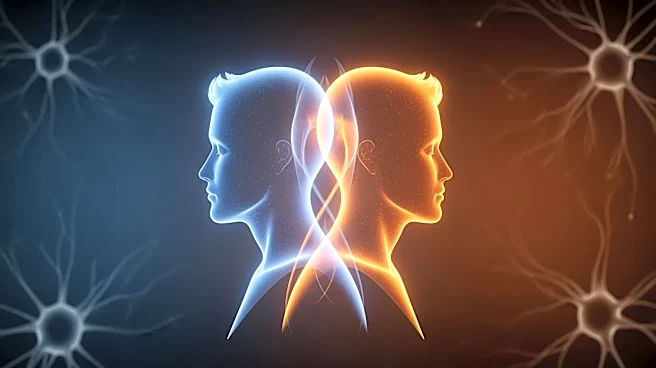
Gratitude acts as a social glue, binding individuals
together through positive interactions. When someone expresses gratitude, it often leads to a cycle of prosocial behavior, where the recipient of gratitude feels encouraged to continue acting in a helpful manner. This cycle not only strengthens individual relationships but also contributes to the cohesion of larger social groups. For example, studies have shown that customers who receive expressions of gratitude from businesses are more likely to return and engage in future transactions.
Moreover, gratitude can influence group dynamics beyond individual interactions. Observing acts of gratitude can inspire bystanders to engage in similar prosocial behaviors, creating a ripple effect that enhances the overall social environment. This phenomenon, known as the "witness effect," demonstrates how gratitude can foster a culture of cooperation and mutual support within communities.
Evolutionary Perspectives on Gratitude
From an evolutionary standpoint, gratitude may have developed as a mechanism to promote cooperation and social bonding. In early human societies, individuals who were able to form strong, cooperative relationships were more likely to survive and thrive. Gratitude, by encouraging reciprocal altruism, would have been a valuable trait in these contexts.
The evolutionary benefits of gratitude are evident in its ability to strengthen alliances and increase social capital. By expressing gratitude, individuals signal their willingness to engage in mutually beneficial relationships, which can lead to increased trust and cooperation. This, in turn, enhances the group's overall chances of survival and success.
Gratitude in Modern Contexts
In contemporary society, gratitude continues to play a crucial role in maintaining social harmony and well-being. It is often associated with positive mental health outcomes, such as increased happiness and reduced stress. People who regularly practice gratitude tend to report higher levels of life satisfaction and stronger social connections.
Furthermore, gratitude can be a powerful tool in conflict resolution and relationship repair. By acknowledging and appreciating the positive actions of others, individuals can overcome negative emotions and foster a more positive and supportive environment. This makes gratitude an essential component of healthy interpersonal relationships, both in personal and professional settings.
In conclusion, gratitude is a multifaceted emotion that serves as a vital component of human societies. Its ability to promote prosocial behavior, strengthen relationships, and enhance well-being underscores its importance in both evolutionary and modern contexts. By cultivating gratitude, individuals and communities can create a more harmonious and supportive world.