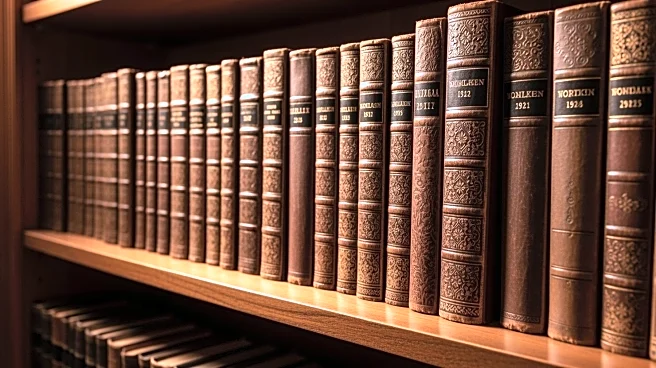

The used book industry is a dynamic sector that combines traditional retail practices with modern digital strategies. It offers economic benefits to consumers and sellers alike, providing affordable access
to literature while supporting sustainable business models. This article examines the economic aspects of used book sales, exploring various business models and their impact on the market.
Traditional Retail Practices
Historically, used books were sold through physical stores, such as second-hand shops and dedicated used bookstores. These venues offered books at reduced prices, typically half or three-quarters of their original cost. This pricing strategy made literature accessible to a broader audience, encouraging reading and literacy.
Used bookstores often operated on a consignment basis, where individuals could sell their books through the store for a share of the profits. This model allowed sellers to reach a wider audience while providing buyers with a diverse selection of titles. The personal interaction between buyers and sellers added value to the shopping experience, fostering a community of book lovers.
Digital Transformation
The advent of online shopping has transformed the used book market, introducing new business models and expanding the industry's reach. Online platforms like ThriftBooks have streamlined the buying process, offering vast inventories and competitive prices. These platforms allow individuals to sell books directly to buyers or through third-party marketplaces, increasing accessibility and convenience.
ThriftBooks, for example, leverages economies of scale through automation, organizing and listing thousands of book titles per day. This efficiency reduces costs and enhances the customer experience, making it easier for consumers to find specific titles and compare prices. The digital format also enables sellers to reach a global audience, connecting buyers and sellers across geographical boundaries.
Economic Impact
The used book industry provides economic benefits to both consumers and sellers. For consumers, used books offer an affordable alternative to new publications, allowing them to access literature without breaking the bank. This affordability encourages reading and supports literacy initiatives, contributing to cultural enrichment.
For sellers, used book sales offer a sustainable business model that supports environmental conservation. By keeping books in circulation, sellers reduce waste and promote the reuse of resources. This sustainability aligns with broader environmental goals, making the used book industry an attractive option for eco-conscious consumers.
Overall, the business of used books is a multifaceted sector that combines traditional retail practices with modern digital strategies. It offers economic benefits to consumers and sellers alike, supporting affordable access to literature and sustainable business models.