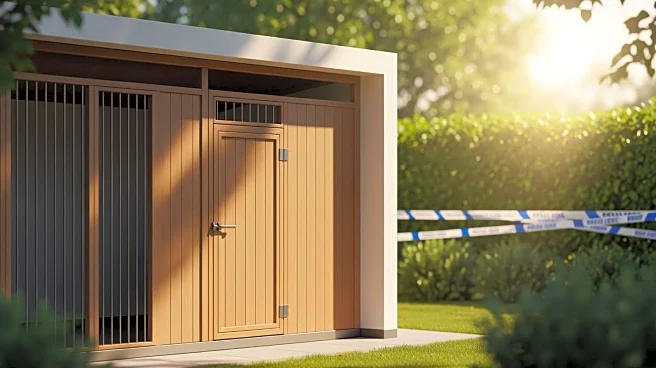

Kennels are an essential part of dog care, providing a safe and secure environment for our canine companions. Whether used for housing, breeding, or temporary boarding, kennels serve multiple purposes
in the world of dog ownership. This article delves into the different types of kennels, their construction, and their role in dog care.
Types of Kennels
Kennels come in various forms, each designed to meet specific needs. The most common type is the traditional kennel, which can be a single structure or a collection of buildings where dogs are housed and maintained. These kennels are often made from materials like wood and canvas, providing a durable and comfortable space for dogs. Another type is the dog crate, a smaller, portable enclosure used for transportation or temporary confinement. Crates are typically made from metal, wire, plastic, or fabric, and are designed to replicate a dog's natural den, offering a sense of security.
In addition to traditional kennels and crates, there are breeding kennels. These are formal establishments focused on the propagation of dogs. Breeding kennels can vary in size and sophistication, from simple setups in a garage to state-of-the-art facilities. They are heavily regulated and must adhere to government legislation and breed club guidelines to ensure ethical breeding practices.
Boarding Kennels
Boarding kennels provide temporary housing for dogs, offering an alternative to pet sitters. These facilities are designed to minimize stress for dogs by allowing familiar objects like blankets and toys from home. Many boarding kennels also offer additional services such as grooming and training, making them a convenient one-stop shop for dog owners.
Despite concerns about the stress of unfamiliar environments, most boarding kennels strive to create a comfortable experience for dogs. They often provide one-on-one playtimes to help dogs adjust and reduce anxiety. In the United States, boarding kennels can also refer to facilities for other animals, such as cats, and are part of a significant industry, with billions spent annually on these services.
Historical Context
The concept of kennels is not new. In Edo period Japan, large kennels were built to house stray dogs, with the Nakano Inugoya accommodating around 80,000 dogs at its peak. These historical kennels highlight the long-standing human commitment to caring for dogs, even during challenging times like famines.
Today, kennels continue to play a vital role in dog care, offering safe and regulated environments for housing, breeding, and boarding. Whether for a short stay or as a permanent home, kennels provide the necessary infrastructure to ensure the well-being of our canine friends.