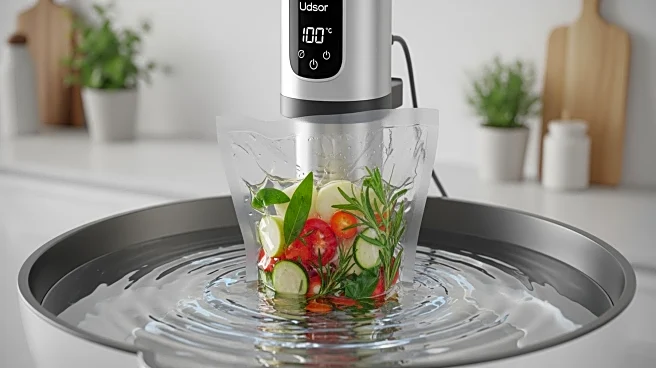




Sous vide cooking is a culinary technique that relies on precise temperature control to achieve consistent and flavorful results. By cooking food at lower temperatures for extended periods, sous vide allows for even cooking and moisture retention. This article delves into the scientific principles that make sous vide a unique and effective cooking method.
Temperature Control
One of the key aspects of sous vide cooking is its precise temperature regulation. Unlike conventional
cooking methods that expose food to high heat, sous vide uses temperatures typically around 55 to 60 °C (130 to 140 °F) for red meat and 66 to 71 °C (150 to 160 °F) for poultry. This controlled environment ensures that the food is cooked evenly, preventing overcooking and preserving moisture.
The use of a water bath set at the desired final cooking temperature prevents the food from exceeding that temperature, allowing for precise control over the cooking process. This method is particularly beneficial for irregularly shaped or thick items, as it ensures even cooking throughout.
Effects on Food Texture
Sous vide cooking has a significant impact on food texture, particularly in meats and vegetables. For meat, the technique allows tough collagen in connective tissue to be denatured into gelatin without toughening the proteins. This results in tender, juicy meat that retains its natural flavors.
When it comes to vegetables, sous vide cooking prevents the cell walls from bursting, allowing them to remain succulent. Cooking vegetables at temperatures below the boiling point of water ensures they are thoroughly cooked while maintaining a firm or crisp texture. The depolymerization of pectic polysaccharides and gelatinization of starch can be achieved without overcooking.
Safety Considerations
While sous vide offers many benefits, it also requires careful attention to food safety. Cooking at lower temperatures means that food must be pasteurized to eliminate harmful bacteria. For example, meat must reach at least 55 °C (131 °F) within four hours and be maintained at that temperature to ensure safety.
Additionally, the vacuum sealing process used in sous vide cooking can pose risks if not performed correctly. Clostridium botulinum bacteria can grow in the absence of oxygen, producing dangerous toxins. Proper pasteurization and chilling requirements are essential to prevent botulism poisoning.
Sous vide cooking combines scientific precision with culinary artistry, offering a unique approach to food preparation. By understanding the principles behind this technique, cooks can harness its potential to create flavorful and perfectly cooked dishes.