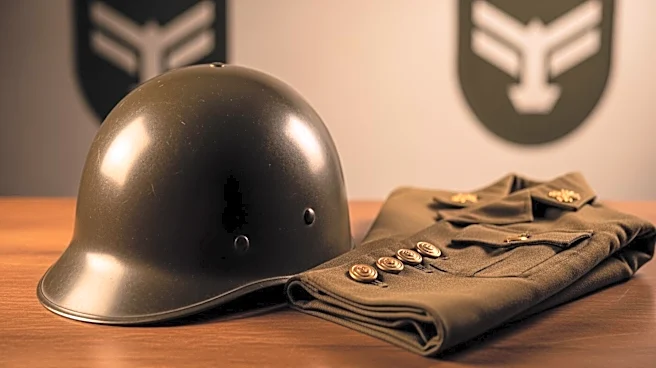





During World War II, the Women's Army Corps (WAC) played a crucial role in supporting the U.S. Army by allowing women to serve in non-combat positions. This article delves into the various roles women held within the WAC and their significant contributions to the war effort. From clerical work to technical positions, women in the WAC demonstrated their capabilities and dedication.
Clerical and Administrative Roles
One of the primary roles women held in the WAC was in clerical and administrative
positions. These roles were essential for maintaining the efficiency and organization of the Army. Women served as clerks, typists, and stenographers, handling important paperwork and communication tasks. Their work ensured that the Army's operations ran smoothly, freeing male soldiers for combat duties.
The WAC also included postal clerks who managed the distribution of mail, a vital service for maintaining morale among troops. The efficiency and reliability of these women in administrative roles were crucial to the Army's success during the war.
Technical and Mechanical Positions
Beyond clerical work, women in the WAC took on technical and mechanical roles. Some were trained as switchboard operators, a position that required quick thinking and nimble fingers. Others served as mechanics, maintaining and repairing vehicles and equipment. These roles required a high degree of technical aptitude and problem-solving skills.
The WAC also included bakers and cooks, who provided essential services by preparing meals for soldiers. These positions, while not directly related to combat, were vital for the well-being and sustenance of the troops. The diverse range of roles women held in the WAC showcased their versatility and ability to adapt to various tasks.
Overseas Service and Impact
While most women in the WAC served stateside, some were deployed overseas. These women worked in various capacities, including clerical duties in headquarters establishments. Their presence overseas demonstrated the Army's reliance on women to fulfill critical roles in different environments.
The contributions of women in the WAC had a lasting impact on the military. Their service during World War II challenged traditional gender roles and paved the way for future generations of women in the military. The WAC's legacy is a testament to the capabilities and dedication of women in supporting the U.S. Army.