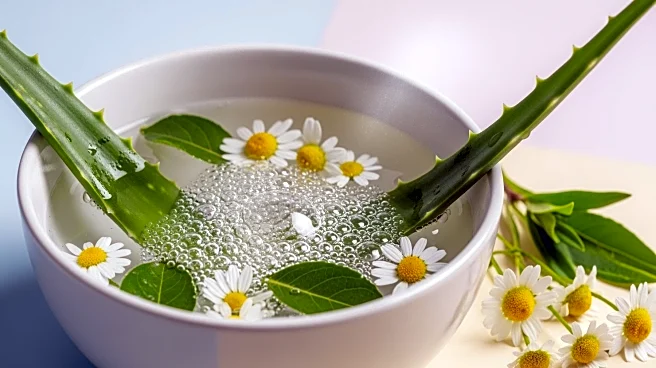




Facial cleansers are a staple in skincare routines, designed to remove dirt, oil, and impurities from the skin. These products come in various forms, such as bars, liquids, and creams, each formulated with specific ingredients to address different skin needs. Understanding the components of facial cleansers and their effects on the skin is crucial for selecting the right product.
Key Ingredients in Facial Cleansers
The primary ingredient in most facial cleansers is the surfactant, also
known as a surface-active agent or emulsifier. Surfactants play a critical role in the cleansing process by reducing surface tension, allowing dirt and oil to be lifted from the skin and washed away. They can be ionic, nonionic, or silicon-containing, each offering different cleansing properties.
In addition to surfactants, facial cleansers often contain water, moisturizers, and water-binders. These ingredients help maintain the skin's hydration levels while cleansing. Some cleansers also include preservatives to prevent microbial growth and fragrances to mask the smell of surfactants. However, individuals with sensitive skin may need to avoid fragranced products to prevent irritation.
The Impact of Surfactants on Skin
While surfactants are essential for effective cleansing, they can also disrupt the skin's natural barrier by altering its lipid structure. This disruption can lead to dryness and irritation, particularly in individuals with sensitive skin. To address this issue, modern cleansers are formulated to minimize potential damage while maintaining their cleansing efficacy.
Cleansers may combine multiple surfactants to enhance their foaming properties and cleansing power. Common surfactants include soap and synthetic detergents, each with unique benefits and drawbacks. For instance, soap is a traditional surfactant known for its strong cleansing ability, but it can be harsh on the skin. Synthetic detergents, on the other hand, are often milder and better suited for sensitive skin.
Choosing the Right Cleanser for Your Skin Type
Selecting a facial cleanser that aligns with your skin type is essential for maintaining healthy skin. For oily or combination skin, foaming cleansers can effectively remove excess oil without stripping the skin. Cream cleansers are ideal for sensitive skin, providing gentle cleansing without causing irritation. For dry skin, cleansing lotions offer hydration while removing impurities.
When choosing a cleanser, it's important to consider the formulation and ingredients. Avoid harsh chemicals that can irritate the skin, and seek professional advice if necessary. By understanding the components and effects of facial cleansers, individuals can make informed decisions that support their skin's health and appearance.