



Baseball uniforms have undergone significant transformations since the sport's early days, reflecting changes in materials, design, and cultural influences. From the woolen outfits of the 19th century to the polyester uniforms of today, these changes have not only impacted the players' comfort but also the visual identity of teams. This article delves into the historical progression of baseball uniforms, highlighting key milestones and shifts in style.
Early Developments
The first baseball uniforms were introduced by the New York Knickerbockers in 1849, featuring blue wool pants, white flannel shirts, and straw hats. This marked the beginning of a tradition that would evolve over the decades. By 1882, most teams had adopted uniforms that included stockings, which differentiated clubs from one another. The colors and patterns of these early uniforms often reflected the positions played by the athletes.
In the late 1880s, teams like the Detroit Wolverines and Washington Nationals began experimenting with striped uniforms, adding a new dimension to the visual appeal of the game. The Brooklyn Bridegrooms were among the first to wear these striped designs, setting a trend that would continue into the 20th century.
Home and Road Uniforms
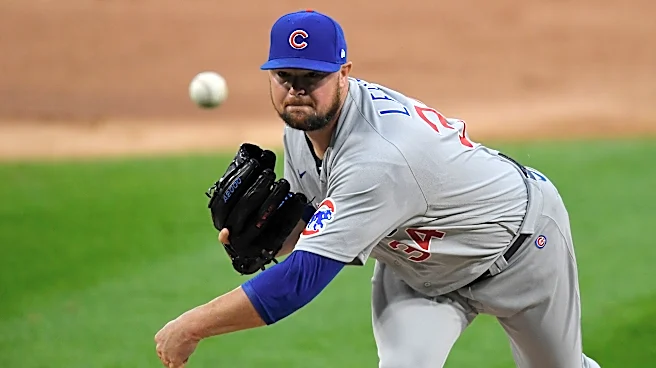
By the end of the 19th century, baseball teams started wearing different uniforms for home and away games. It became common to wear white at home and gray, dark blue, or black on the road. This practice was partly due to the difficulty of laundering uniforms while traveling, as road grays helped hide accumulated soil.
The Brooklyn Superbas were pioneers in this regard, adopting a blue pattern for their road uniforms in 1907. Over time, teams experimented with various colors and designs, including tartan-like effects and solid dark materials. The Kansas City Athletics, for instance, introduced gold and green uniforms in 1963, showcasing the growing diversity in baseball attire.
Modern Era and Controversies
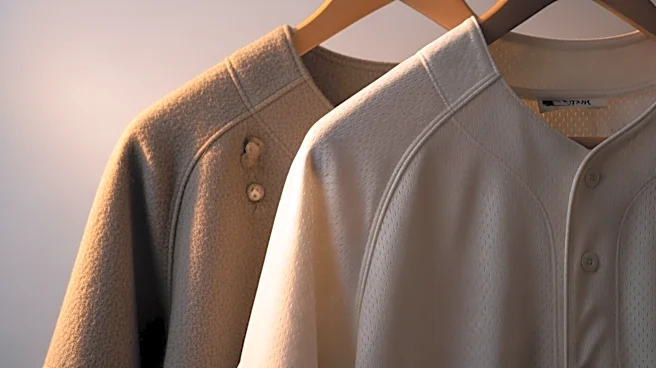
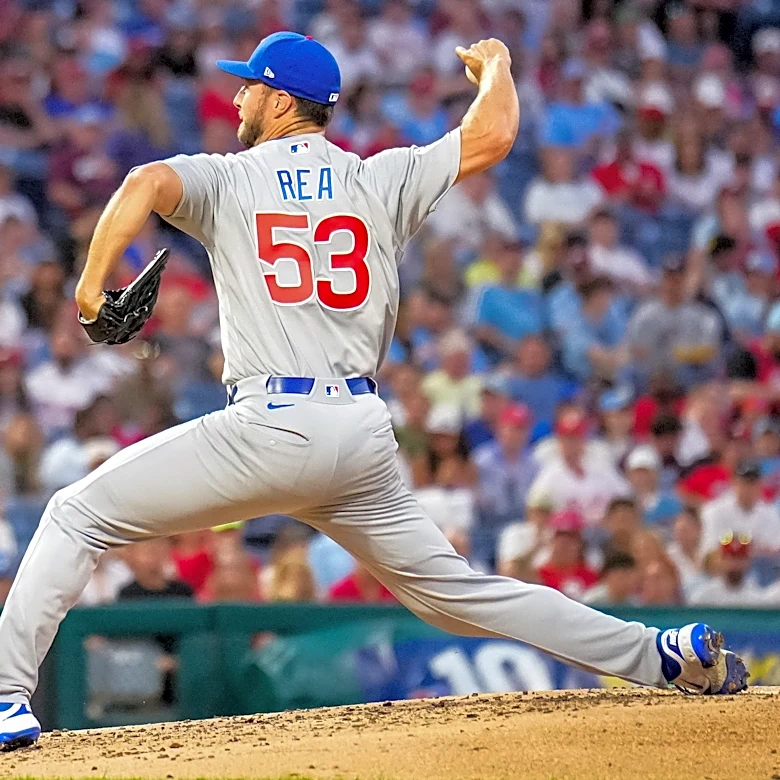
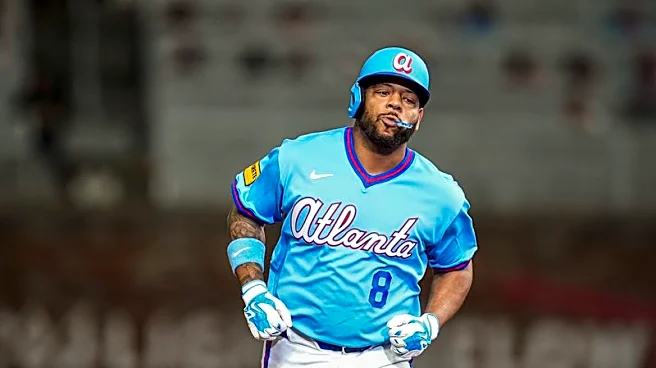
The introduction of synthetic fabrics in the 1970s marked a significant shift in baseball uniform design. Teams began using more vibrant colors, with powder blue becoming a popular choice for road uniforms. Pullover jerseys also became trendy, with the Pittsburgh Pirates leading the way in 1970.
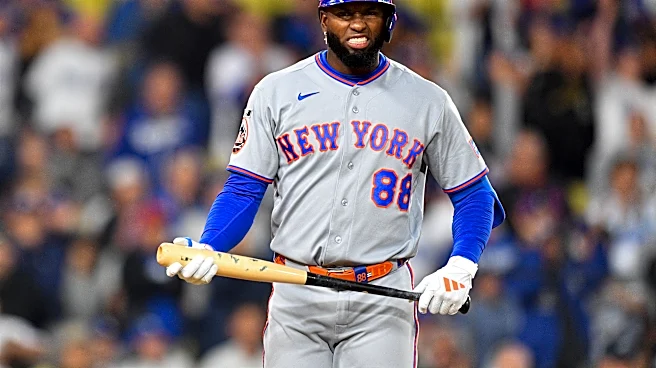
Despite these advancements, controversies have arisen over uniform designs. In 2024, Major League Baseball faced backlash over newly redesigned uniforms, with players criticizing the smaller numbers and letters. Nike, the official supplier, responded by promising to address these concerns.
Today, baseball uniforms continue to evolve, reflecting both technological advancements and cultural shifts. From their humble beginnings to the modern era, these garments remain a vital part of the sport's identity.