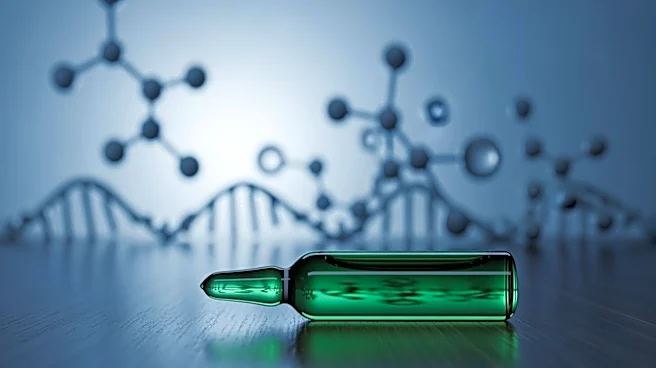







Peptides have emerged as a significant class of compounds in the field of medicine, offering promising therapeutic potential. These short chains of amino acids are not only fundamental to biological processes but also serve as the basis for developing new treatments for various diseases. The unique properties of peptides make them ideal candidates for therapeutic applications.
Peptide Therapeutics in Medicine
Peptide therapeutics are used to mimic the functions of naturally occurring
peptides, which can act as hormones, growth factors, neurotransmitters, and more. These therapeutic peptides are designed to interact with specific targets in the body, offering a high degree of specificity and efficacy. This precision reduces the likelihood of side effects, making peptide-based drugs relatively safe and well-tolerated.
One of the key advantages of peptide therapeutics is their ability to be metabolized by the body, which minimizes the risk of accumulation and toxicity. This characteristic, combined with their specificity, makes peptides an attractive option for treating a wide range of conditions, from metabolic disorders to cancer.
Challenges and Innovations in Peptide Drug Development
Despite their potential, peptide therapeutics face several challenges, primarily related to stability and delivery. Peptides are susceptible to rapid degradation and clearance from the body, which can limit their effectiveness as drugs. To address these issues, researchers have developed various strategies to enhance peptide stability and bioavailability.
Chemical modifications, such as PEGylation and glycosylation, are commonly used to increase the half-life of peptide drugs. These modifications can protect peptides from enzymatic degradation and improve their ability to reach target sites within the body. Additionally, advancements in drug delivery systems, such as encapsulation and targeted delivery, have further enhanced the therapeutic potential of peptides.
The Future of Peptide Therapeutics
The future of peptide therapeutics looks promising, with ongoing research and development efforts focused on overcoming existing challenges. As our understanding of peptide biology and chemistry continues to grow, new opportunities for therapeutic applications are likely to emerge.
Peptides are already making a significant impact in areas such as oncology, endocrinology, and infectious diseases. With continued innovation, peptide-based drugs have the potential to revolutionize the treatment of many conditions, offering patients safer and more effective options.
In conclusion, peptides represent a versatile and powerful tool in the development of new therapies. Their unique properties and ability to be tailored for specific applications make them a valuable asset in the quest to improve human health and combat disease.