







The kilt is a distinctive garment known for its unique design and construction. Made from tartan fabric, it is a tailored piece that wraps around the body, featuring pleats and fastenings that give it its characteristic look. This article delves into the intricacies of kilt design, its construction, and the various variants that exist.
The Art of Kilt Design
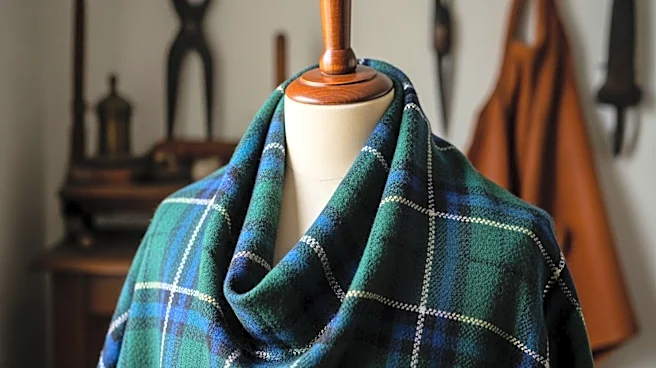
The design of a kilt is both functional and aesthetic. It is typically made from twill-woven worsted wool, with a tartan
pattern that is both visually striking and culturally significant. The kilt is wrapped around the wearer's body at the natural waist, with overlapping layers in the front known as aprons. These aprons are flat, while the sides and back are pleated, creating a distinctive silhouette.
Fastenings on a kilt consist of straps and buckles, which secure the garment in place. The kilt pin, often adorned with a decorative design, is fastened to the front apron, adding weight and style. The pleats are a key feature, providing both movement and structure to the garment. The depth and number of pleats can vary, depending on the size of the tartan sett and the wearer's measurements.
Construction and Materials
Kilts are constructed with precision, using a significant amount of fabric to achieve the desired look. A typical kilt for an adult uses about 6 to 8 yards of single-width tartan fabric. The fabric is carefully pleated and stitched to ensure a perfect fit and drape. The weight of the fabric can vary, with heavier weights being more suitable for cooler weather and lighter weights for warmer climates.
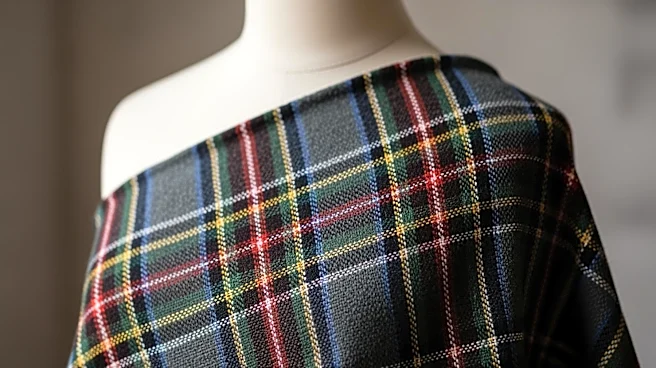
The tartan pattern, or sett, is a defining feature of the kilt. It is specified by thread counts, which dictate the sequence of colors and their width. This pattern is repeated throughout the fabric, creating a harmonious design. The colors and patterns of tartans are often associated with specific clans, regions, or organizations, adding a layer of cultural significance to the garment.
Variants of the Kilt
While the traditional Scottish kilt is the most well-known, there are several variants that have emerged over time. Irish kilts, for example, are often solid-colored and worn by pipe bands and at cultural events. Other Celtic nations, such as Wales and Cornwall, have also adopted kilts as a symbol of their heritage.
Contemporary kilts have also gained popularity, with modern designs incorporating different materials and styles. These kilts may feature alternative fastenings, pockets, and even tool belts, making them suitable for casual wear and various activities. The evolution of the kilt continues, with new interpretations and adaptations keeping this traditional garment relevant in today's world.