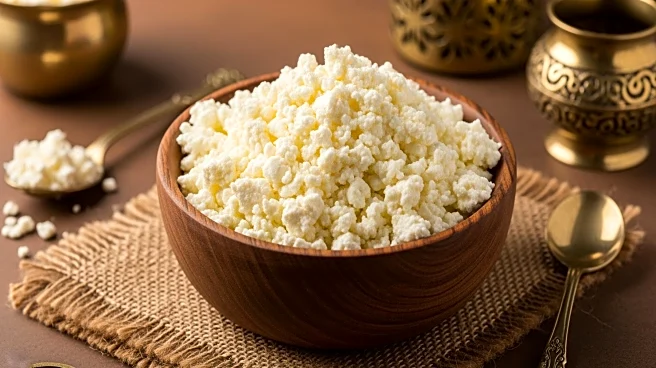




Chhena, a type of acid-set cheese, has a rich history that is deeply intertwined with the culinary traditions of the Indian subcontinent. Originating from the use of cow or buffalo milk, Chhena is made by adding food acids such as lemon juice to curdle the milk, a method distinct from the use of rennet in other cheese-making processes. This article explores the historical journey of Chhena, from its ancient roots to its modern-day significance in Indian cuisine.
Ancient References to Cheese in India
The history of cheese in India can be traced back to ancient texts, including the Vedas, which mention dairy products like milk, butter, and yogurt. However, there is no direct reference to Chhena in these early scriptures. The Vedas do mention 'dadhanvat,' which has been interpreted as a reference to curds, suggesting the early presence of cheese-like substances in Indian culinary practices.
Medieval Indian texts, such as the Manasollasa, provide more detailed accounts of cheese-making techniques. These texts describe the process of souring milk and draining the curds to make cheese, which was then used as a base for sweets. This historical context highlights the long-standing tradition of cheese-making in India and the evolution of Chhena as a distinct product.
The Portuguese Influence
Another theory suggests that the technique of curdling milk with acid was introduced to Bengal by the Portuguese in the 17th century. Before their arrival, curdling cow's milk was considered taboo in Bengal. The Portuguese influence led to the development of Chhena and other acid-set cheeses like paneer. This introduction marked a significant turning point in the history of Indian cheese-making, leading to the creation of new culinary traditions centered around Chhena.
The Portuguese also introduced Bandel Cheese, a type of smoked cheese distinct from Chhena and paneer. This influence further enriched the diversity of cheese products in India, contributing to the unique culinary landscape of the region.
Chhena in Modern Indian Cuisine
Today, Chhena is an integral part of Indian cuisine, particularly in the eastern states of Odisha and West Bengal. It is used to make a variety of sweets and desserts, each with its own regional twist. The production of Chhena has become a significant industry, with an estimated 200,000 tonnes produced annually in India.
The historical journey of Chhena reflects the dynamic nature of Indian cuisine, where traditional practices are continually adapted and reinvented. As Chhena continues to be a staple in Indian households, its historical roots serve as a reminder of the rich cultural heritage that shapes the country's culinary identity.