



South Dakota is a state of contrasts, not only in its geography but also in its cultural and economic landscapes. The Missouri River serves as a natural dividing line, creating two distinct regions known as East River and West River. This article explores the geographical and cultural divides that characterize these two halves of South Dakota.
East River: Agriculture and Urban Centers
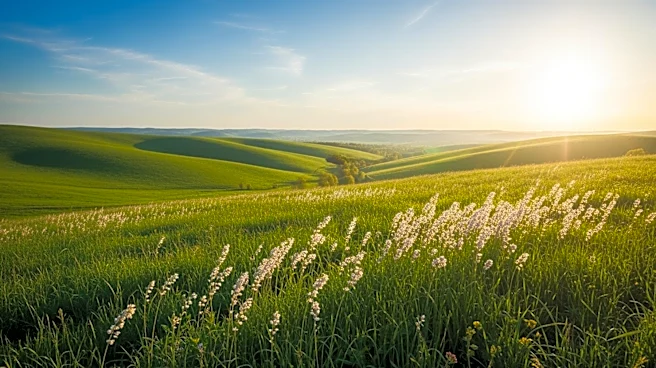
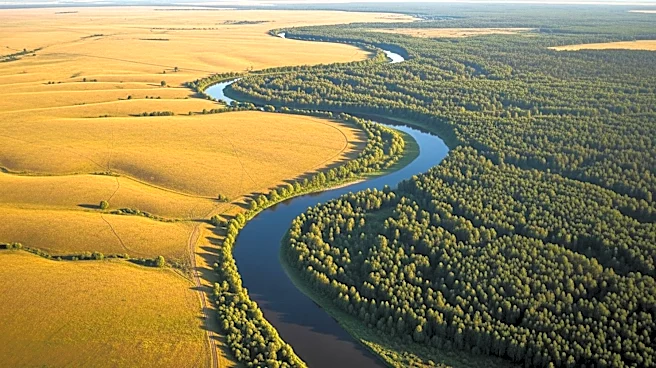
East River, the region east of the Missouri River, is characterized by its fertile soil and agricultural productivity.
This area is home to the majority of South Dakota's population and includes the state's largest city, Sioux Falls. The fertile plains of East River support a variety of crops, making agriculture a cornerstone of the region's economy.
The urban centers in East River, such as Sioux Falls and Brookings, have become hubs of economic activity, with industries ranging from finance to healthcare. The presence of universities and research institutions further contributes to the region's economic diversity. Despite its urbanization, East River maintains a strong connection to its agricultural roots, with farming communities playing a vital role in the local culture.
West River: Ranching and Natural Beauty
In contrast, West River is defined by its rugged terrain and natural beauty. The region is less densely populated and is dominated by ranching, with vast expanses of land dedicated to cattle grazing. The Black Hills, a sacred area to the Sioux, are located in West River and are home to iconic landmarks such as Mount Rushmore and the Crazy Horse Memorial.
Tourism is a significant economic driver in West River, with visitors flocking to the Black Hills and Badlands National Park. The region's economy also benefits from defense spending, with military installations such as Ellsworth Air Force Base providing jobs and economic stability. The cultural landscape of West River is deeply influenced by its Native American heritage, with several reservations located in the area.
Bridging the Divide
While East River and West River have distinct identities, efforts have been made to bridge the divide and foster a sense of unity within the state. Infrastructure projects, such as the construction of highways and bridges, have improved connectivity between the two regions. Additionally, cultural exchanges and events celebrate the diverse heritage of South Dakota, bringing together residents from both sides of the Missouri River.
Despite their differences, East River and West River are integral parts of South Dakota's identity. Together, they contribute to the state's rich tapestry of landscapes, cultures, and histories, making South Dakota a unique and vibrant place to live and visit.