




Folk costumes, also known as traditional dress or regalia, are a vibrant expression of cultural, religious, and national identity. These garments, often associated with specific ethnic groups or regions, offer a glimpse into the rich tapestry of human history and tradition. This article delves into the cultural significance and diversity of folk costumes, highlighting their role in preserving heritage and fostering a sense of belonging.
The Cultural Significance of Folk Costumes
Folk costumes
serve as a visual representation of cultural identity, often reflecting the values, beliefs, and history of a community. These garments are typically worn during special events, celebrations, and ceremonies, symbolizing a connection to one's roots and heritage. In many cultures, traditional attire is an essential part of rites of passage, such as weddings, festivals, and religious observances.
The rise of romantic nationalism in Europe during the 19th century played a significant role in the revival and preservation of folk costumes. As industrialization and modernization threatened traditional ways of life, communities turned to their pre-industrial past for inspiration, embracing garments that evoked a sense of authenticity and cultural pride. This movement helped solidify the importance of folk costumes as a means of preserving cultural heritage.
Diversity and Regional Variations
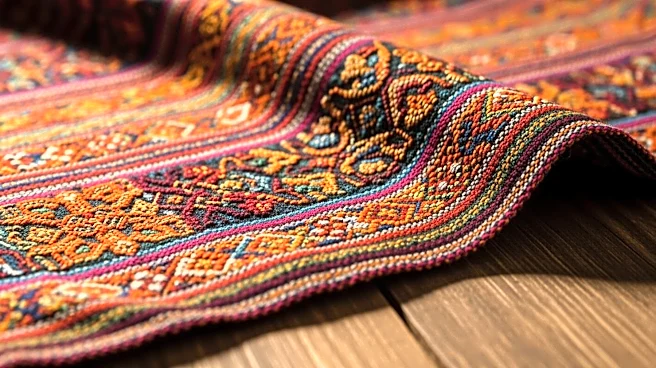
Folk costumes vary widely across the globe, with each region and ethnic group boasting its unique styles, colors, and materials. In Africa, traditional attire ranges from the vibrant agbada and dashiki in West Africa to the intricate beadwork and patterns of the Maasai in East Africa. In Asia, the hanbok of Korea, the kimono of Japan, and the sari of India each tell a story of cultural heritage and tradition.
In Europe, folk costumes often reflect the historical influences and regional characteristics of their respective countries. The dirndl and lederhosen of Germany, the kilt of Scotland, and the flamenco dress of Spain are just a few examples of the diverse array of traditional attire found across the continent. These garments not only showcase the artistry and craftsmanship of their creators but also serve as a testament to the resilience and adaptability of cultural traditions.
The Role of Folk Costumes in Modern Society
In today's globalized world, folk costumes continue to play a vital role in preserving cultural identity and fostering a sense of community. International events and cultural exchanges provide opportunities for people to share and celebrate their traditional attire, promoting cross-cultural understanding and appreciation.
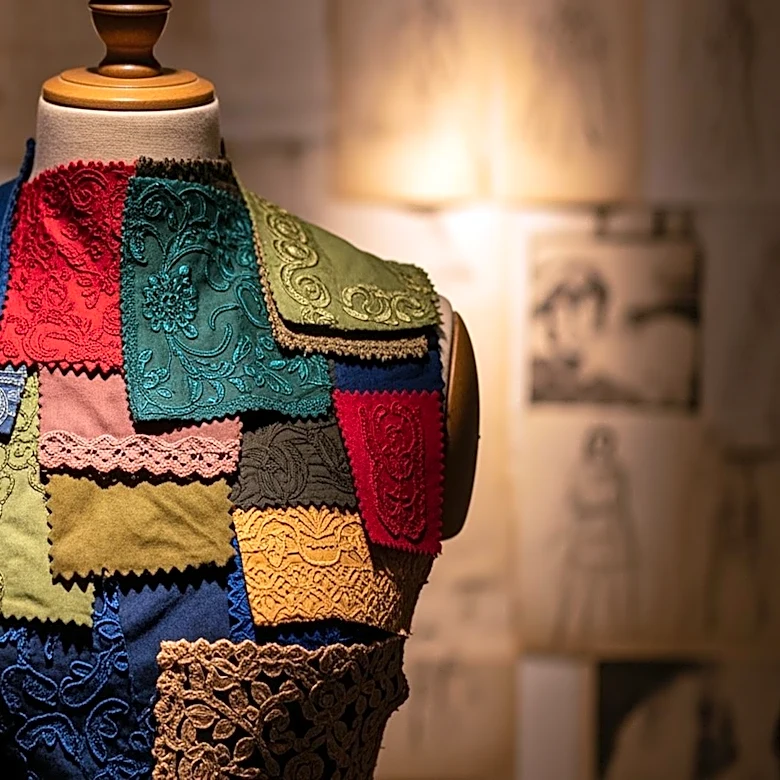
Moreover, the fashion industry has increasingly drawn inspiration from folk costumes, incorporating traditional elements into contemporary designs. This fusion of old and new not only keeps cultural traditions alive but also introduces them to a broader audience, ensuring their continued relevance in modern society.
In conclusion, folk costumes are a powerful symbol of cultural identity and heritage, offering a window into the diverse and colorful world of human tradition. Their enduring significance in modern society highlights the importance of preserving and celebrating our shared cultural heritage.