


The Beverly Hills Supper Club fire in 1977 was a catastrophic event that exposed significant safety violations and led to important changes in fire safety regulations. This article examines the deficiencies identified in the investigation and the subsequent impact on building codes and public safety standards.
Safety Violations and Investigation
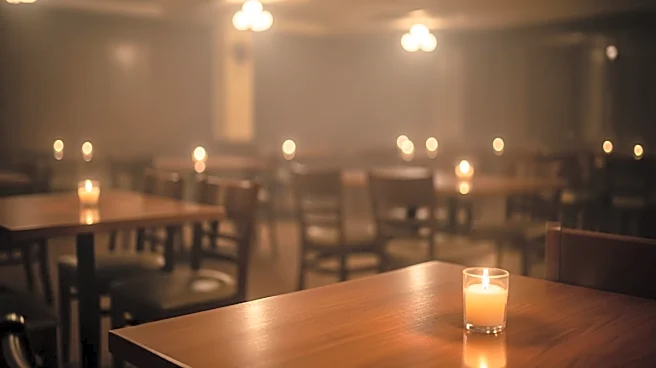
The investigation into the Beverly Hills Supper Club fire revealed a series of safety violations that contributed to the disaster. Overcrowding
was a major issue, with the Cabaret Room holding far more people than its safe capacity. The club's total occupancy was estimated at 3,000, double the number allowed by fire codes for a building with its number of exits.
Inadequate fire exits were another critical problem. The club had fewer than 17 exits, many of which were not clearly marked or easily accessible. Some exits required navigating through multiple interior doors and corridors, complicating evacuation efforts. Faulty wiring was also identified, with the club's electrical system described as an "electrician's nightmare" due to numerous code violations.
Construction and Code Violations
The building's construction practices were found to be substandard, with inadequate roof support and highly flammable materials used throughout. The lack of firewalls allowed the fire to spread rapidly, drawing oxygen from other areas of the complex. Extreme safety code violations were evident, including the absence of a sprinkler system and an audible fire alarm.
Poor oversight by regulatory authorities was highlighted in the investigation. The local volunteer fire department was aware of the deficiencies but lacked the authority to enforce corrections. This lack of enforcement contributed to the conditions that made the fire so deadly.
Regulatory Changes and Impact
The Beverly Hills Supper Club fire prompted significant changes in fire safety regulations. The tragedy underscored the importance of proper building codes, emergency preparedness, and the need for effective oversight by regulatory authorities. New standards were implemented to ensure that venues like the Supper Club had adequate exits, fire suppression systems, and alarm systems.
The fire also raised awareness about the dangers of overcrowding and the need for strict adherence to occupancy limits. The lessons learned from the Beverly Hills Supper Club fire have influenced fire safety practices across the United States, helping to prevent similar tragedies in the future.
The impact of the fire continues to be felt, serving as a reminder of the importance of vigilance in public safety. The changes in regulations and increased awareness have contributed to safer environments for patrons and employees alike, ensuring that the mistakes of the past are not repeated.