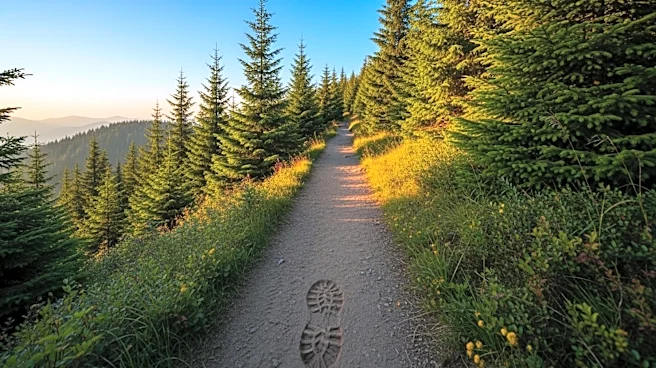








The Appalachian Trail, stretching nearly 2,200 miles from Georgia to Maine, is not just a path through the wilderness; it is a cultural and social phenomenon that has impacted countless communities and individuals. Managed by the Appalachian Trail Conservancy, the trail is a testament to the power of community and the enduring human spirit.
A Community Effort
The Appalachian Trail is maintained by a network of 31 trail clubs and numerous volunteers who dedicate their
time and energy to preserving this natural treasure. These clubs, along with the National Park Service and the United States Forest Service, work tirelessly to ensure the trail remains accessible and safe for hikers.
The trail's maintenance is a community effort, with volunteers contributing over 175,000 hours annually. This dedication is a reflection of the trail's significance to the people who live near it and those who travel from afar to experience its beauty. The trail passes through 14 states, each with its own unique landscapes and communities, creating a diverse tapestry of cultures and experiences.
The Hiker Experience
For many, hiking the Appalachian Trail is a transformative experience. Thru-hikers, those who attempt to walk the entire trail in a single season, often speak of the camaraderie and sense of community they find along the way. The trail is a place where people from all walks of life come together, united by a common goal and a love for the outdoors.
Hikers often encounter what is known as "trail magic," acts of kindness from strangers that can range from a simple offer of food or water to a place to rest for the night. This spirit of generosity and support is a hallmark of the Appalachian Trail experience, fostering connections and friendships that can last a lifetime.
The trail also serves as a portal into another world, offering a respite from the hustle and bustle of modern life. It provides an opportunity for reflection and personal growth, as hikers challenge themselves physically and mentally.
Impact on Local Communities
The Appalachian Trail has a significant impact on the communities it passes through. Many towns have embraced their role as "trail towns," offering support and services to hikers. These communities benefit economically from the influx of visitors, with local businesses catering to the needs of hikers.
The trail also fosters a sense of pride and stewardship among residents. Many locals volunteer their time to maintain the trail and support hikers, strengthening the bond between the trail and the communities it touches. This relationship is mutually beneficial, as the trail brings attention and resources to these often rural areas.
The Appalachian Trail is more than just a hiking path; it is a living, breathing entity that connects people and places. Its cultural and social impact is profound, offering a unique blend of natural beauty and human connection. As hikers traverse its length, they become part of a larger community, one that values nature, adventure, and the spirit of giving.