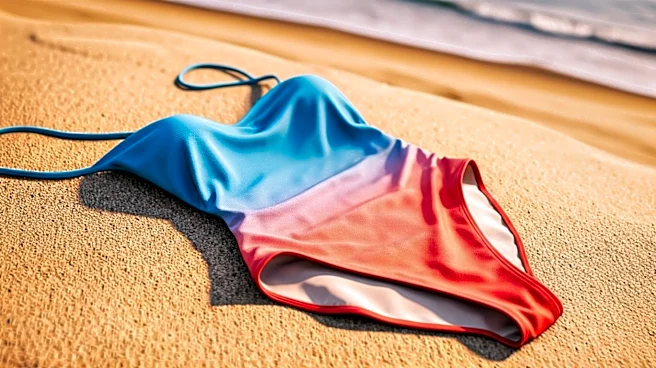


Since its inception in 1946, the bikini has inspired a multitude of variations, each offering a unique take on the classic two-piece design. These innovations reflect changing fashion trends, cultural influences, and consumer preferences. This article explores the diverse styles of bikinis that have emerged over the years, highlighting their distinct features and appeal.
The Classic Bikini and Its Early Variations
The original bikini, designed by Louis Réard, was a simple two-piece swimsuit
that exposed the navel, a daring choice for its time. As the bikini gained popularity, designers began experimenting with different cuts and styles to cater to a broader audience. The "Brazilian-cut" bikini, for example, offered less coverage on the bottom, emphasizing the wearer's curves and adding a touch of allure.
In the 1960s, the monokini was introduced by designer Rudi Gernreich. This topless swimsuit featured a high-waisted bottom with straps that extended over the shoulders, challenging traditional notions of modesty and sparking controversy. Despite its provocative design, the monokini paved the way for more daring swimwear styles in the decades to come.
Modern Innovations in Bikini Design
As fashion evolved, so did the bikini, with designers creating new styles to suit different tastes and body types. The tankini, introduced in the late 1990s, combined the coverage of a tank top with the convenience of a bikini bottom, offering a more modest option for those who preferred not to bare their midriff. The tankini quickly gained popularity for its versatility and comfort.
Another popular variation is the microkini, which features minimal fabric and maximum exposure. This style is favored by those who enjoy sunbathing and want to achieve an even tan. The microkini's bold design has made it a staple in beachwear fashion, appealing to those who embrace a more daring look.
The Influence of Cultural and Social Trends
Cultural and social trends have played a significant role in shaping bikini designs. The rise of body positivity and inclusivity in fashion has led to the creation of bikinis that cater to a wider range of body shapes and sizes. High-waisted bikinis, for example, offer more coverage and support, making them a popular choice for those seeking a retro-inspired look.
The bikini's influence extends beyond swimwear, inspiring trends in lingerie and activewear. Bikini-style underwear and sports bras have become wardrobe staples, reflecting the garment's enduring appeal and versatility. As fashion continues to evolve, the bikini remains a canvas for innovation, adapting to the changing needs and desires of consumers worldwide.