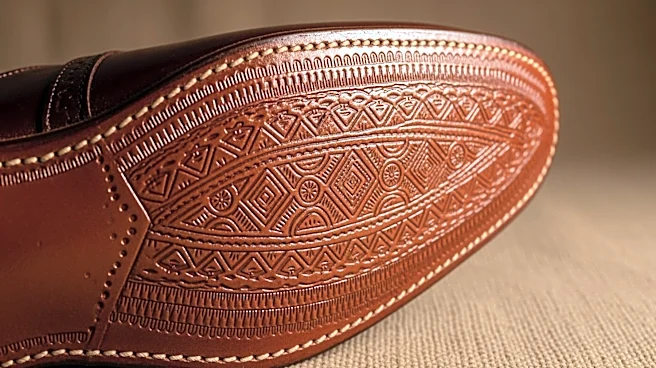









Footwear is more than just a practical necessity; it holds deep cultural and symbolic meanings across various societies. From ancient rituals to modern fashion statements, shoes have played a significant role in expressing identity, status, and beliefs. This article delves into the cultural significance of footwear, highlighting its diverse meanings around the world.
Footwear in Ancient Cultures
In ancient Egypt, footwear was a symbol of social status. The wealthy wore sandals
made from fine materials like papyrus and palm leaves, while the poor often went barefoot. Similarly, in ancient Rome, footwear indicated one's place in the social hierarchy. Patricians wore ornate shoes, while slaves were typically barefoot, emphasizing the divide between classes.
In ancient Greece, going barefoot was associated with humility and respect. Many religious rituals required participants to remove their shoes as a sign of reverence. This practice continues in some cultures today, where removing shoes before entering a home or sacred space is a gesture of respect and cleanliness.
Religious and Symbolic Meanings
Footwear holds significant religious symbolism in many cultures. In Hinduism, shoes are considered impure and are removed before entering temples. Similarly, in Islam, shoes are taken off before entering mosques to maintain the sanctity of the space. These practices highlight the importance of footwear in religious rituals and the belief in maintaining purity and respect.
In some cultures, shoes are used to convey messages or intentions. For example, in Jewish tradition, the removal of a shoe can symbolize the renunciation of a legal right. In Arab culture, showing the sole of one's shoe is considered an insult, as shoes are associated with dirt and the lowest part of the body.
Modern Fashion and Identity
In contemporary society, footwear has become a powerful tool for self-expression and identity. Fashion trends often dictate shoe styles, with high heels, sneakers, and boots each carrying their own cultural connotations. High heels, for instance, are often associated with femininity and elegance, while sneakers are linked to athleticism and casual style.
Footwear can also serve as a marker of cultural identity. Traditional shoes, such as Japanese geta or Indian jutti, are worn during cultural festivals and ceremonies, preserving heritage and tradition. In this way, footwear continues to play a vital role in expressing cultural values and personal identity.
From ancient rituals to modern fashion, footwear remains a significant cultural symbol. Its meanings and uses vary across societies, reflecting the diverse ways in which people express themselves and their beliefs through the shoes they wear.