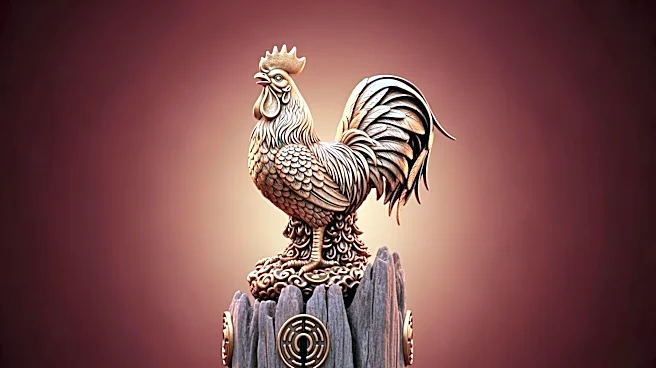




The Rooster is a prominent figure in the Chinese zodiac, representing one of the twelve animals in the cycle. As the tenth animal, the Rooster holds a unique place in Chinese astrology, symbolizing various traits and characteristics. This article delves into the significance of the Rooster, its elemental associations, and the cultural impact it has within the zodiac system.
The Rooster's Place in the Zodiac
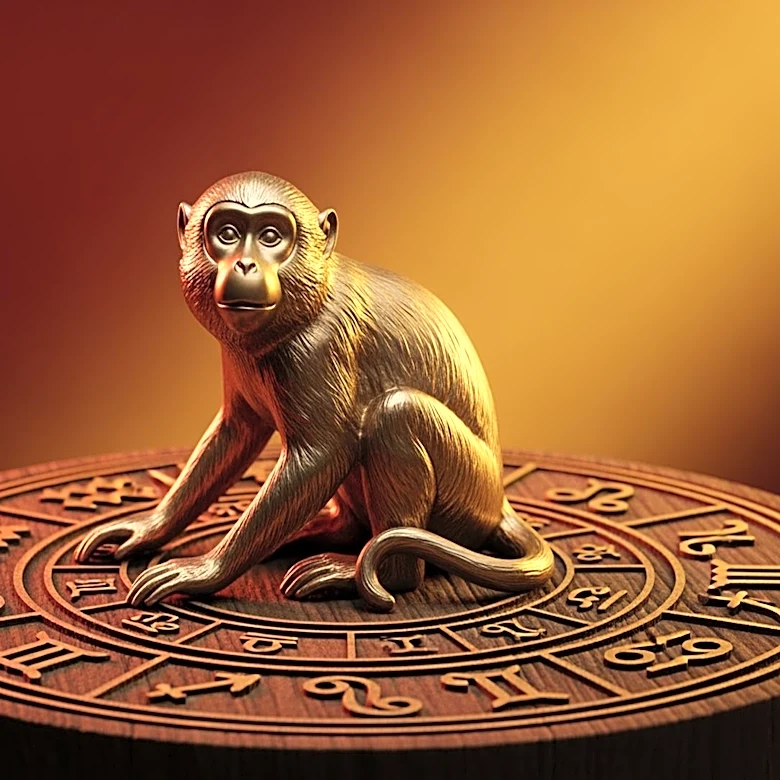
The Rooster is the tenth animal in the Chinese zodiac, following the Monkey
and preceding the Dog. Each animal in the zodiac is associated with specific years, and the Rooster appears every twelve years. The Year of the Rooster is marked by the Earthly Branch symbol, which is a key component of the Chinese calendar system. This cyclical nature means that individuals born in Rooster years share certain traits attributed to this animal.
In addition to its place in the Chinese zodiac, the Rooster is also represented in other cultural zodiacs, such as the Tibetan and Gurung zodiacs, where a bird takes the place of the Rooster. This cross-cultural presence highlights the Rooster's symbolic importance beyond just the Chinese zodiac.
Elemental Associations of the Rooster
The Rooster is not only defined by its position in the zodiac but also by its elemental associations. In Chinese philosophy, each zodiac sign is linked to one of the five elements: Wood, Fire, Earth, Metal, and Water. These elements rotate in conjunction with the zodiac cycle, adding another layer of complexity to the Rooster's characteristics.
For example, individuals born in the Year of the Rooster may be associated with different elements depending on their birth year. A Water Rooster, born in 1933 or 1993, might exhibit traits such as adaptability and fluidity, while a Fire Rooster, born in 1957 or 2017, could be more dynamic and passionate. These elemental influences play a significant role in shaping the personality and destiny of those born under the Rooster sign.
Cultural Impact and Symbolism
The Rooster is often seen as a symbol of punctuality and reliability, traits that are highly valued in many cultures. In Chinese astrology, the Rooster is associated with attributes such as confidence, hard work, and resourcefulness. These characteristics make the Rooster a respected figure in the zodiac, often admired for its diligence and ability to face challenges head-on.
Moreover, the Rooster's influence extends to various aspects of life, including career and reputation. People born in Rooster years are believed to excel in fields that require precision and attention to detail. The Rooster's lucky numbers, colors, and flowers further emphasize its cultural significance, providing guidance for those seeking to harness its positive attributes.
Overall, the Rooster's role in the Chinese zodiac is multifaceted, combining elemental influences with cultural symbolism to create a rich tapestry of meaning. Whether viewed through the lens of astrology or cultural tradition, the Rooster remains a powerful and enduring symbol in the zodiac cycle.