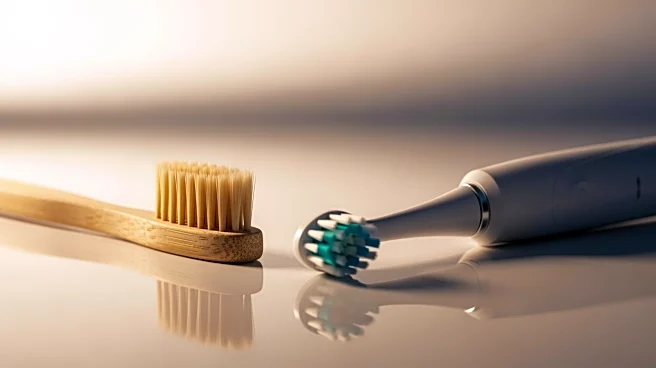




Oral hygiene has been an essential part of human health for centuries, evolving significantly over time. From ancient practices using natural materials to modern techniques involving advanced dental products, the journey of oral hygiene reflects the progress of human civilization. Understanding this evolution provides insight into how current practices came to be and highlights the importance of maintaining oral health.
Ancient Oral Hygiene Practices
The history of oral hygiene
dates back to ancient civilizations, where people used various natural materials to clean their teeth. The Egyptians, for example, used twigs and leaves to scrub their teeth, while the Greeks and Romans employed similar methods. In the Islamic tradition, the use of miswak, a teeth-cleaning twig, was advocated by the Prophet Muhammad and remains a common practice among Muslims today.
These early methods were primarily focused on removing food particles and maintaining oral cleanliness. Despite the lack of scientific understanding, these practices laid the foundation for modern oral hygiene. The use of natural materials like twigs and leaves was effective in reducing plaque and maintaining oral health, demonstrating the ingenuity of ancient cultures in addressing dental care.
The Advent of Modern Toothbrushes
The development of the modern toothbrush marked a significant advancement in oral hygiene. The first mass-produced toothbrush was created in England in 1780 by William Addis. This innovation made tooth brushing more accessible and standardized, leading to widespread adoption of the practice.
In the United States, the habit of regular tooth brushing became prevalent after World War II, when soldiers returned home with the practice ingrained in their daily routines. The introduction of nylon bristles in the 1930s further improved the effectiveness of toothbrushes, making them more durable and efficient in cleaning teeth.
Contemporary Oral Hygiene Techniques
Today, oral hygiene practices have evolved to include a variety of tools and techniques designed to maintain optimal oral health. Electric toothbrushes, interdental brushes, and dental floss are now common components of oral care routines. These tools are designed to reach areas that traditional toothbrushes cannot, ensuring a more thorough cleaning.
Fluoride toothpaste has become a staple in oral hygiene, providing additional protection against cavities and strengthening tooth enamel. Professional dental cleanings and check-ups are also integral to maintaining oral health, allowing for early detection and treatment of potential issues.
The evolution of oral hygiene practices reflects the advancements in dental science and technology. By understanding the history of these practices, individuals can appreciate the importance of maintaining oral health and continue to adopt effective techniques in their daily routines.