



Rhubarb, known for its tart stalks, has a history that stretches back centuries. Originally valued for its medicinal properties, rhubarb has evolved into a beloved ingredient in kitchens worldwide. This transformation from a medicinal root to a culinary staple is a testament to rhubarb's versatility and the changing tastes of societies over time.
The Medicinal Origins of Rhubarb
Rhubarb's journey began long before it was used in pies and desserts. The species Rheum ribes has been
consumed in the Islamic world since the 10th century, primarily for its medicinal benefits. In Europe, rhubarb was initially grown for its roots, which were used in traditional medicine. The roots of species like Rheum rhabarbarum were harvested for their purported health benefits, including use as a laxative in traditional Chinese medicine.
The plant's medicinal use was well-documented in historical texts. During Islamic times, rhubarb was imported along the Silk Road, reaching Europe in the 14th century. It was known as "Turkish rhubarb" and was highly valued, often costing more than other spices and herbs. This high value spurred efforts to cultivate rhubarb in Europe, leading to its eventual culinary use.
Rhubarb's Culinary Transformation
The transition of rhubarb from a medicinal plant to a culinary ingredient began in the 18th century. As sugar became more affordable, rhubarb's tart stalks were sweetened and incorporated into desserts. This culinary innovation was first recorded in England, where rhubarb was grown as a vegetable crop alongside other species like Rheum rhaponticum.
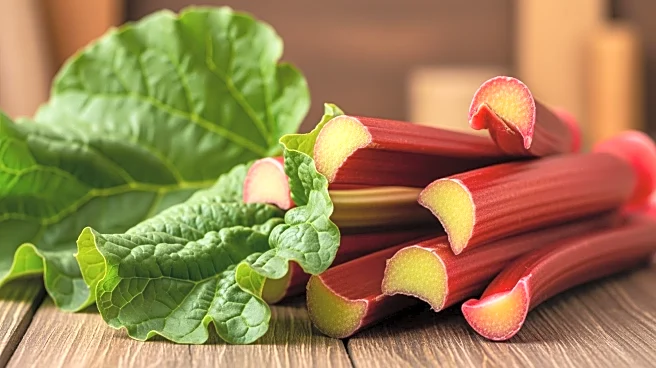
Rhubarb's culinary appeal lies in its unique flavor. The stalks, which are the only edible part of the plant, have a strong, tart taste that pairs well with sweet ingredients. This has led to the creation of classic dishes like rhubarb pie and strawberry-rhubarb pie, which remain popular in the United States and the United Kingdom.
Modern Uses and Cultivation
Today, rhubarb is grown widely and is available throughout much of the year, thanks to greenhouse production. In the United States, it is primarily produced in states like Oregon, Washington, and Wisconsin. Rhubarb is one of the first food plants harvested in temperate climates, with the season lasting from mid-spring to the end of summer.
Despite its evolution from a medicinal root to a culinary favorite, rhubarb retains its historical significance. Its journey reflects the broader trends in food history, where ingredients are continually reimagined and repurposed. As a plant with both historical and modern relevance, rhubarb continues to be a fascinating subject for culinary exploration.