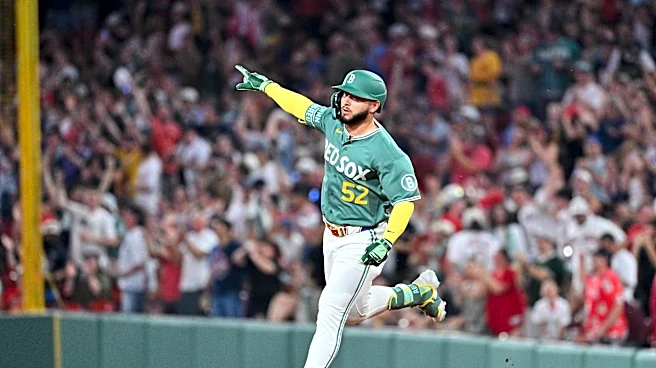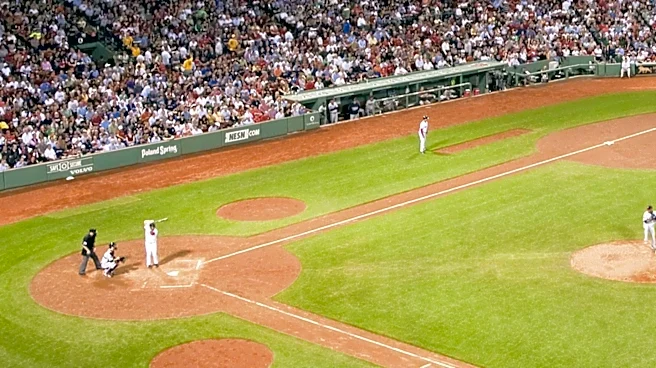








Fenway Park is more than just a baseball stadium; it is a cultural icon that holds a special place in the hearts of Bostonians and sports fans worldwide. As the oldest active ballpark in Major League Baseball, Fenway Park has become a symbol of Boston's rich history and passion for sports. This article delves into the cultural and symbolic significance of Fenway Park, exploring its impact on the city and its people.
A Symbol of Boston's Heritage
Fenway Park is deeply intertwined
with Boston's identity and heritage. Located in the Fenway–Kenmore neighborhood, the park has been a fixture in the city since its opening in 1912. Its unique features, such as the Green Monster and Pesky's Pole, have become iconic symbols of the park and are recognized by baseball fans around the world.
The park's location in the heart of Boston makes it easily accessible to residents and visitors alike, further cementing its status as a cultural landmark. Fenway Park's inclusion on the National Register of Historic Places in 2012 highlights its significance as a historic site and a testament to Boston's enduring love for baseball.
A Venue for Memorable Events
Fenway Park has hosted numerous memorable events beyond baseball games, contributing to its cultural significance. The park has been the site of World Series games, concerts, and even political and religious campaigns. These events have drawn people from all walks of life, making Fenway Park a versatile venue that transcends the world of sports.
The park's ability to adapt to different events while maintaining its historic charm is a testament to its cultural importance. Fenway Park's role as a gathering place for the community has made it a symbol of unity and celebration in Boston.
The Enduring Legacy of Fenway Park
Fenway Park's cultural impact extends beyond its physical presence. It has become a symbol of resilience and tradition, representing the spirit of Boston and its people. The park's unique features and storied history have inspired countless stories, songs, and works of art, further solidifying its place in popular culture.
The park's enduring legacy is reflected in the way it is cherished by fans and players alike. Former Red Sox pitcher Bill Lee famously called Fenway Park "a shrine," capturing the reverence and admiration it commands. As a pending Boston Landmark, Fenway Park's future changes will be carefully regulated to preserve its cultural and historical significance.
In conclusion, Fenway Park is more than just a baseball stadium; it is a cultural icon that embodies the spirit of Boston. Its rich history, unique features, and role as a gathering place for the community make it a symbol of the city's heritage and passion for sports. Fenway Park's cultural impact will continue to resonate with fans and visitors for generations to come.