


Smart casual is a dress code that has evolved significantly over the 20th century, blending elements of casual and formal attire. This style is characterized by its flexibility and adaptability, making it a popular choice in various social and professional settings. Understanding the historical context of smart casual helps to appreciate its current form and function.
Origins and Early Development
Smart casual first emerged as a distinct dress code in the 20th century. Initially,
it was associated with a lounge suit of unconventional color and lighter fabric, which was more casual than the traditional dark suit. This shift marked a departure from the heavier, more formal suits that dominated earlier fashion. As the one-colored lounge suit became synonymous with informal wear, the use of uneven colors and lighter materials began to define smart casual.
The term "smart casual" was first mentioned in a 1924 Iowa newspaper, describing a style that was both practical and stylish. This early reference highlights the dual nature of smart casual, combining comfort with a polished appearance. Over the decades, the definition of smart casual continued to evolve, influenced by cultural and social changes.
Mid-Century Changes
By the 1950s, the lines between smart casual and business casual began to blur. This period saw the emergence of a more casual suit, distinct from the traditional dark suit in heavy cloth. The counterculture movements of the 1960s further influenced dress codes, leading to varying expectations for smart casual attire across different Western cultures and climates.
During this time, the distinction between smart casual and business casual became less clear, with both terms often used interchangeably. The flexibility of smart casual allowed it to adapt to different settings, from professional environments to social gatherings. This adaptability contributed to its growing popularity and acceptance.
Modern Interpretations
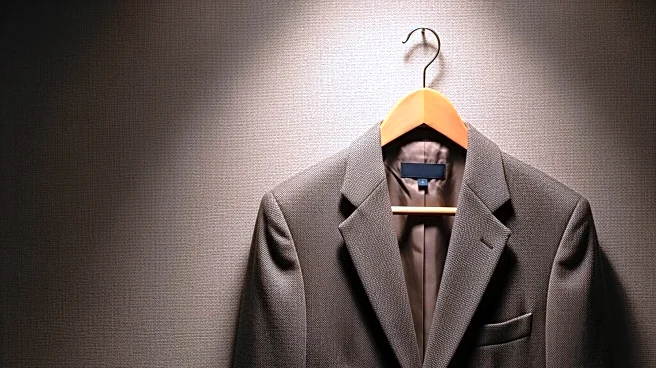
In contemporary fashion, smart casual is defined by its versatility and personal expression. It is not merely a matter of inventory or classification but rather an understanding of the environment and occasion. For men, smart casual typically includes a dress shirt, necktie, trousers, and dress shoes, often paired with a blazer or sports coat. Women's smart casual attire offers even more diversity, with options ranging from dresses to tailored pants and blouses.
The modern interpretation of smart casual emphasizes comfort and style, with a focus on lighter, softer materials and thoughtful, less structured designs. Fabrics like linen, cashmere, and fine wool are popular choices, reflecting the ongoing evolution of this dress code. As smart casual continues to adapt to changing cultural norms, it remains a staple in both professional and social settings, offering a balance between formality and ease.