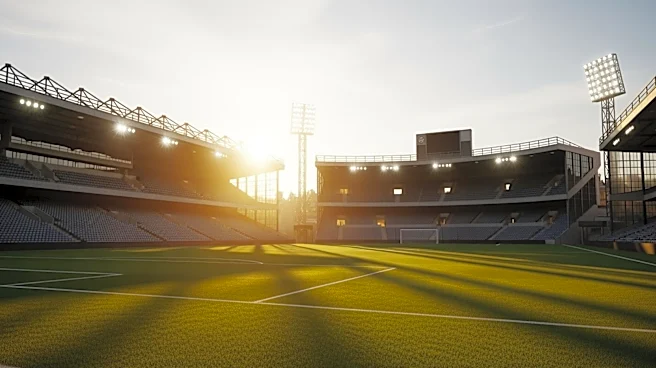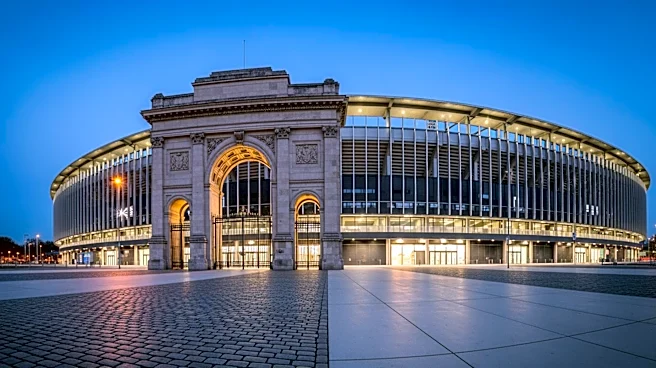

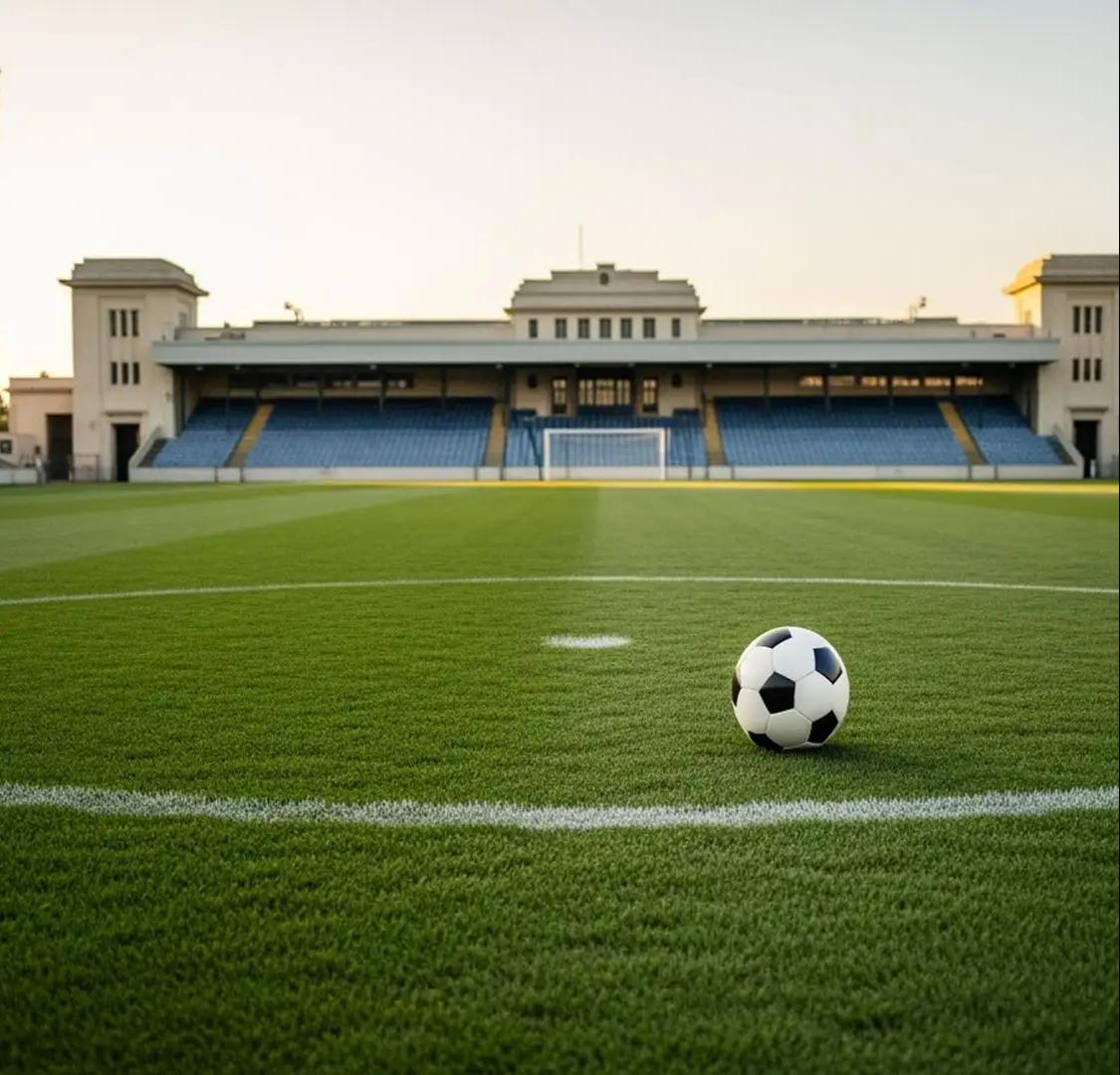

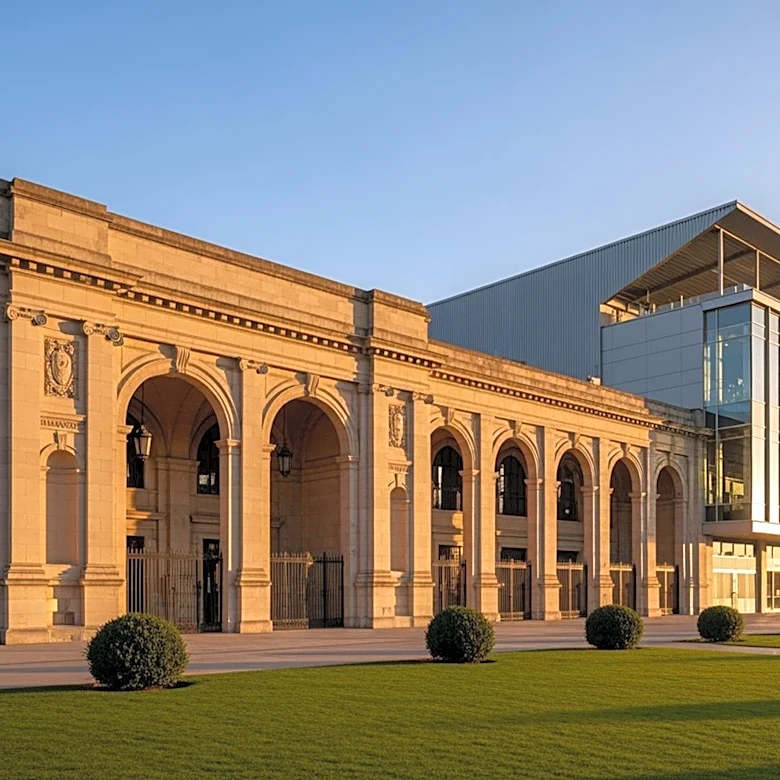



Niedersachsenstadion, located in Hanover, Germany, has undergone significant transformations since its inception. Originally built in 1954, the stadium has evolved from a massive structure made from war debris to a modern football arena. This article delves into the historical development of Niedersachsenstadion, highlighting key milestones and changes that have shaped its current form.
The Early Years: Construction and Initial Use
Niedersachsenstadion was constructed between 1952 and 1954, with
an original capacity of 86,000. The stadium's foundation was built using debris from houses destroyed during World War II, reflecting a period of reconstruction and resilience. The construction cost amounted to 4 million Deutschmark, a significant investment at the time. Upon its official opening on September 26, 1954, the stadium became a central hub for sports in Hanover.
In its early years, Niedersachsenstadion hosted various local clubs, including Hannover 96, which moved permanently to the stadium in 1959. Other clubs such as Arminia Hannover and TSV Havelse also played matches there. The stadium quickly became a venue for major football events, including international matches and league championship games.
Transformations for Major Events
Throughout its history, Niedersachsenstadion has been modified several times to accommodate major football events. In 1974, the stadium was one of the venues for the FIFA World Cup hosted by West Germany. This event led to an increase in seating capacity to 38,000, although the overall capacity decreased to 60,400. The upper rank of the west grandstand was completely roofed, costing 26 million DM.
Further modifications occurred in 1988 for the European Championship, where the conversion of terrace spots into seating reduced the capacity to 55,000. These changes were necessary to meet the requirements of hosting international tournaments, ensuring the stadium remained a competitive venue.
Modern Redevelopment and Current Status
The most extensive redevelopment of Niedersachsenstadion took place in 2003-2004, driven by Germany's hosting of the 2006 FIFA World Cup. The stadium was transformed into a modern football arena, with major parts rebuilt to reduce the maximum capacity to 49,951. The redevelopment included the installation of modern video boards and integrated floodlights, enhancing the stadium's functionality and aesthetic appeal.
Today, Niedersachsenstadion, now known as Heinz-von-Heiden-Arena, continues to serve as a prominent venue for football and other events. Its evolution from a post-war construction to a state-of-the-art arena reflects the dynamic nature of sports infrastructure and the ongoing commitment to providing top-tier facilities for athletes and fans alike.