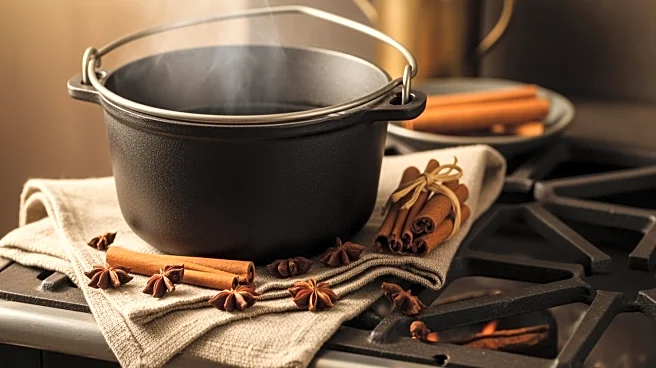




Simmering is not just a cooking technique; it is a tradition deeply embedded in Jewish culinary practices. This method is particularly significant in the preparation of Shabbat stews, which are a staple in Jewish households around the world. By allowing dishes to cook slowly over a low heat, simmering helps to develop rich flavors and tender textures, making it an ideal method for these traditional meals.
The Role of Simmering in Shabbat Stews
In Jewish culture, the Sabbath, or Shabbat,
is a day of rest that begins on Friday evening and ends on Saturday evening. During this time, cooking is prohibited by Jewish law, which has led to the development of unique culinary practices. One such practice is the preparation of Shabbat stews, which are cooked using the simmering technique.
To prepare these stews, the ingredients are brought to a boil before the Sabbath begins and then left to simmer overnight. This method allows the flavors to meld together without any intervention from the cook, resulting in a dish that is both flavorful and tender. The use of a blech, a metal sheet that covers the heat source, helps to maintain a consistent low temperature, ensuring that the stew simmers gently throughout the night.
Varieties of Shabbat Stews
Almost every Jewish diaspora group has its own version of a Shabbat stew, each with unique ingredients and flavors. In Ashkenazi Jewish cuisine, cholent is a popular choice. This hearty stew typically includes meat, beans, and potatoes, and is known for its rich, savory flavor. The long simmering time allows the ingredients to break down and blend together, creating a dish that is both comforting and satisfying.
In Sephardic Jewish cuisine, hamin is a similar dish that often includes rice, chickpeas, and a variety of spices. The use of spices like cumin and cinnamon adds a distinct flavor profile to the stew, making it a favorite among Sephardic communities. Meanwhile, Iraqi Jews prepare t'bit, a dish that features chicken and rice, cooked slowly to achieve a tender, flavorful result.
The Cultural Significance of Simmering
Simmering is more than just a cooking technique in Jewish cuisine; it is a reflection of cultural and religious traditions. The practice of preparing Shabbat stews through simmering not only adheres to religious laws but also brings families together. The aroma of a simmering stew fills the home, creating a warm and inviting atmosphere that is perfect for the Sabbath.
Through the art of simmering, Jewish communities have preserved their culinary heritage, passing down recipes and techniques from generation to generation. This tradition continues to thrive, showcasing the enduring importance of simmering in Jewish cuisine.