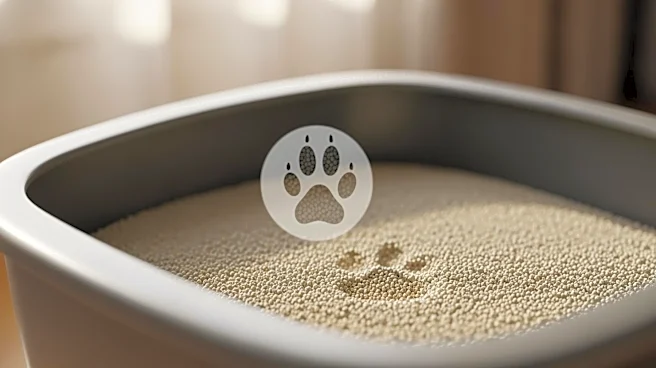








Litter training is a process that many pet owners undertake to ensure their animals can eliminate waste in a designated area. For cats, this often involves using a litter box. Interestingly, cats have a natural instinct to use litter boxes, which makes the training process relatively straightforward compared to other animals. This article delves into the instinctive behaviors of cats that facilitate litter training and the minimal effort required
from pet owners.
Natural Instincts
Cats possess a strong instinct to bury their waste, which is a behavior that aligns perfectly with the use of a litter box. This instinct is so ingrained that many cats require little to no formal training to start using a litter box. When a cat is introduced to a new home, simply showing them the location of the litter box is often enough for them to understand its purpose. This contrasts sharply with dogs, which typically require more structured housebreaking.
The process of litter training a cat can be as simple as placing them in the litter box and gently guiding their paw to make a digging motion. This action taps into their natural behavior, and most cats will immediately understand what is expected of them. The ease with which cats adapt to litter boxes is a testament to their instinctual behaviors, making them relatively low-maintenance pets in terms of waste management.
Minimal Training Required
While some pet owners may worry about the need to train their cats to use a litter box, the reality is that cats often require very little intervention. The instinct to bury waste is so strong that even kittens can quickly learn to use a litter box with minimal guidance. This is particularly beneficial for first-time cat owners who may be unfamiliar with pet training techniques.
In most cases, the primary role of the pet owner is to ensure the litter box is accessible and clean. Cats are fastidious creatures, and a dirty litter box can deter them from using it. Regular cleaning and maintenance of the litter box are essential to encourage consistent use. Beyond this, cats typically manage their own litter training, relying on their natural instincts to guide them.
Alternatives to Litter Boxes
While litter boxes are the most common method for managing cat waste, some pet owners explore alternatives such as toilet training. However, this approach can be stressful for cats and is not as widely practiced. Toilet training requires more effort and patience from both the cat and the owner, and not all cats are receptive to this method.
Ultimately, the instinctive nature of cats makes litter training a straightforward process. Their natural behaviors align well with the use of litter boxes, allowing pet owners to focus on other aspects of care. Understanding and leveraging these instincts can lead to a harmonious relationship between cats and their owners, with minimal stress involved in waste management.