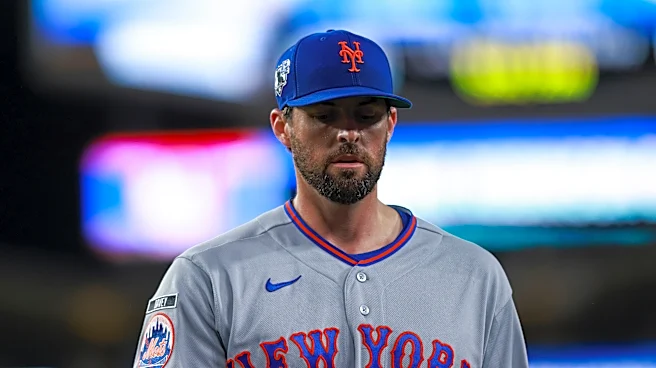






Shea Stadium, located in Queens, New York City, played a pivotal role in the sports culture of New York from its opening in 1964 until its demolition in 2009. As the home of the New York Mets and the New York Jets, Shea Stadium was more than just a venue; it was a symbol of New York's vibrant sports scene. This article examines Shea Stadium's impact on New York's sports culture and its significance in the city's history.
A Home for New York's Teams
Shea Stadium was named after
William A. Shea, who was instrumental in bringing National League baseball back to New York after the departure of the Dodgers and Giants to California. The stadium opened in 1964, providing a new home for the New York Mets, a team created to fill the void left by the Dodgers and Giants.
In addition to baseball, Shea Stadium also hosted the New York Jets of the American Football League and later the National Football League. The stadium's ability to accommodate both baseball and football made it a central hub for New York's sports fans. It was a place where fans could gather to support their teams and experience the excitement of live sports.
Cultural and Social Impact
Shea Stadium was more than just a sports venue; it was a cultural landmark in New York City. It hosted numerous memorable events, including concerts by iconic bands like The Beatles, who performed there in 1965 and 1966. These concerts were significant cultural moments, drawing massive crowds and contributing to the stadium's reputation as a major entertainment venue.
The stadium also played a role in the city's social fabric, serving as a gathering place for fans from diverse backgrounds. It was a place where people could come together to celebrate their shared love of sports and music, fostering a sense of community and camaraderie among New Yorkers.
Legacy and Demolition
Shea Stadium's legacy is deeply intertwined with the history of New York's sports culture. It hosted numerous postseason games, including World Series matchups, and was the site of many unforgettable moments in Mets history. The stadium's demolition in 2009 marked the end of an era, as Citi Field was built to replace it.
Despite its demolition, Shea Stadium remains a cherished memory for many New Yorkers. Its impact on the city's sports culture is still felt today, as fans reminisce about the excitement and energy that filled the stadium during its heyday. Shea Stadium's role in New York's sports history is a testament to the enduring power of sports to bring people together and create lasting memories.
In conclusion, Shea Stadium was more than just a venue; it was a symbol of New York's sports culture and a significant part of the city's history. Its legacy continues to live on in the hearts of fans who experienced its magic firsthand.