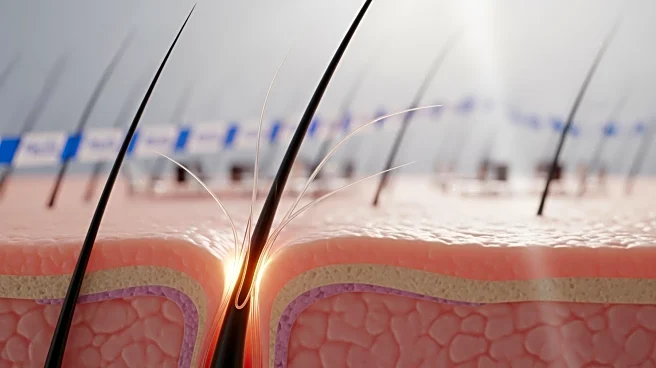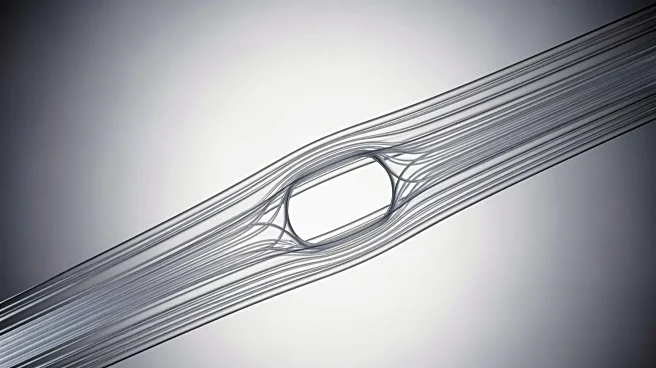




Elastin is a crucial protein that contributes to the elasticity and resilience of various tissues in the human body. However, deficiencies or mutations in elastin can lead to a range of clinical conditions, affecting the health and function of tissues. Understanding the clinical implications of elastin deficiency and related genetic disorders is essential for diagnosing and managing these conditions.
Genetic Disorders Associated with Elastin Deficiency
Mutations and deletions in the ELN gene, which encodes
elastin, are associated with several genetic disorders. Supravalvular aortic stenosis (SVAS) is one such condition, characterized by the narrowing of the aorta due to elastin deficiency. This autosomal dominant disorder can lead to cardiovascular complications, highlighting the importance of elastin in maintaining arterial elasticity.
Another condition related to elastin deficiency is autosomal dominant cutis laxa, a disorder that affects the skin's elasticity. Individuals with cutis laxa experience loose and sagging skin, which can impact their appearance and quality of life. These genetic disorders underscore the critical role of elastin in maintaining tissue structure and function.
Other Medical Conditions Linked to Elastin
Elastin deficiency is also implicated in several other medical conditions. Marfan syndrome, a genetic disorder affecting connective tissue, can result in cardiovascular, skeletal, and ocular complications. Emphysema, caused by alpha-1 antitrypsin deficiency, leads to the breakdown of elastin in the lungs, resulting in respiratory issues.
Atherosclerosis, a condition characterized by the hardening of arteries, is associated with changes in elastin stiffness. Other conditions linked to elastin deficiency include Buschke-Ollendorff syndrome, Menkes syndrome, pseudoxanthoma elasticum, and Williams syndrome. These conditions highlight the diverse clinical implications of elastin deficiency and the importance of elastin in maintaining tissue health.
Elastosis and Photoaging
Elastosis, a degenerative disease characterized by the buildup of elastin in tissues, is commonly caused by prolonged sun exposure, known as photoaging. Actinic elastosis, or solar elastosis, results from excessive sun exposure, leading to changes in skin elasticity and appearance.
Uncommon causes of skin elastosis include elastosis perforans serpiginosa, perforating calcific elastosis, and linear focal elastosis. Understanding the clinical implications of elastin deficiency and related conditions is crucial for developing effective treatments and management strategies.