







The Formula Regional Americas Championship is not only a platform for showcasing driving talent but also a testament to engineering excellence. The series employs a standardized set of technical specifications to ensure fair competition and highlight driver skill. This article explores the technical aspects of the championship, focusing on the equipment and specifications that define the series.
The Ligier JS F3 Chassis
At the heart of the Formula Regional Americas Championship
is the Ligier JS F3 chassis. This spec chassis is used by all competitors, ensuring a level playing field where driver skill takes precedence. The Ligier JS F3 is equipped with the halo device, a safety feature that was first introduced in Formula One and Formula 2 in 2018. This device provides additional protection for drivers, underscoring the championship's commitment to safety.
The chassis is designed to be both lightweight and robust, with a weight of 1,150 pounds excluding the driver and fuel. This balance allows for high-speed performance while maintaining the structural integrity necessary for safety. The use of a spec chassis also helps to control costs, making the championship more accessible to a wider range of competitors.
Engine and Performance
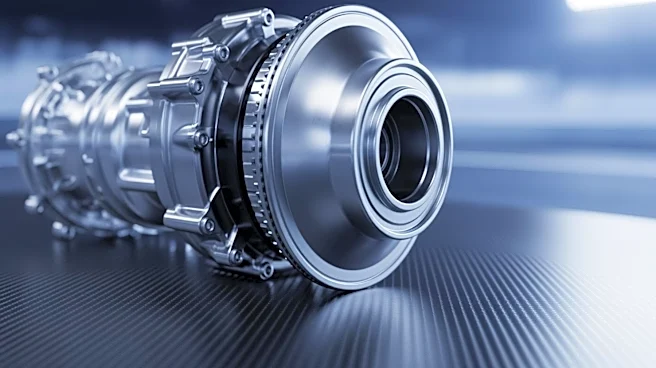
Powering the Ligier JS F3 is the Honda K20C1 engine, a 2.0-liter DOHC inline-4 engine. This engine delivers a power output of 303 horsepower, providing the performance needed for competitive racing. The engine's design emphasizes reliability and efficiency, key factors in the demanding environment of motorsport.
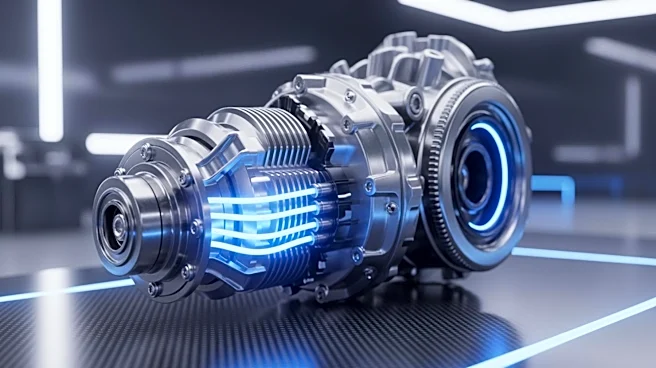
The engine is paired with a 6-speed sequential semi-automatic gearbox, allowing for quick and precise gear changes. This combination of engine and gearbox ensures that drivers can extract maximum performance from their cars, making for exciting and competitive racing.
Additional Technical Features
The Formula Regional Americas Championship cars are equipped with a rack and pinion steering system, providing drivers with precise control and feedback. The cars also feature a wheelbase of 2,825 millimeters, contributing to their stability and handling characteristics.
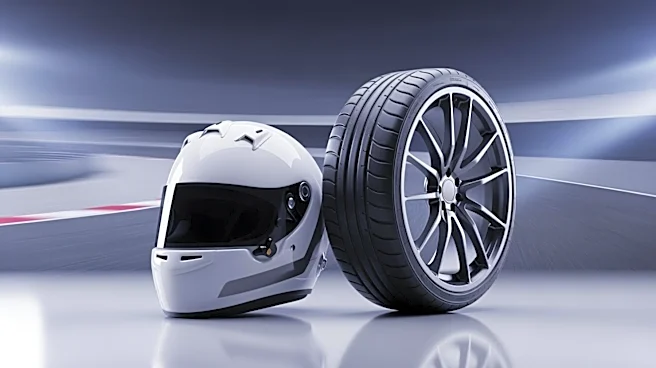
Tire performance is another critical aspect of the championship. Hankook is the official tire supplier, providing tires that are designed to deliver optimal grip and durability. The choice of tire supplier is crucial, as tire performance can significantly impact race outcomes.
In conclusion, the technical specifications of the Formula Regional Americas Championship are carefully designed to ensure fair competition and highlight driver skill. The use of a spec chassis, reliable engine, and high-performance tires creates a challenging yet rewarding environment for competitors. As the championship continues to evolve, these technical aspects will remain central to its success.