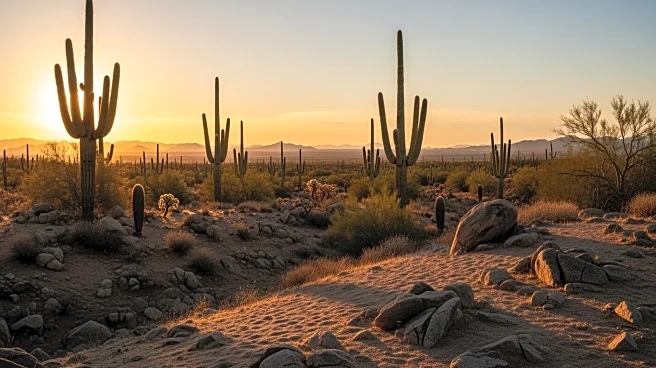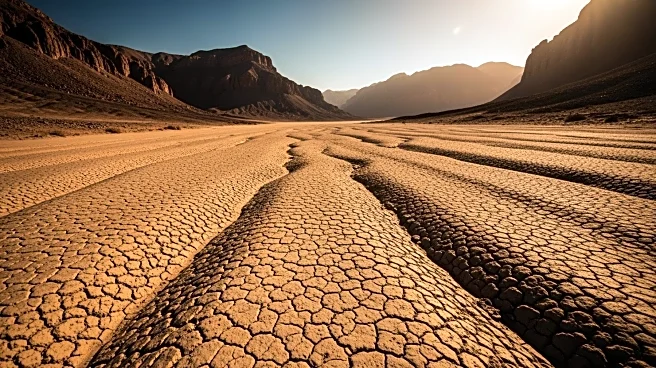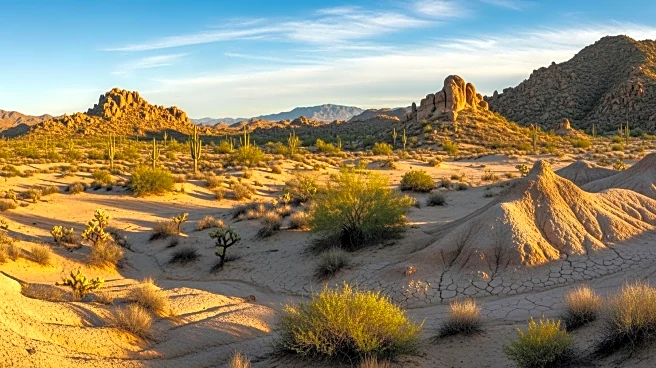



The Colorado Desert, a subregion of the larger Sonoran Desert, is a fascinating area that spans parts of California and Baja California, Mexico. Covering approximately 7 million acres, this desert is home to a variety of unique geographic features and geological phenomena. From its low-lying valleys to its towering mountain ranges, the Colorado Desert offers a diverse landscape that is both beautiful and scientifically significant.
The Vast Expanse of the Colorado Desert
The Colorado Desert
occupies a significant portion of Southern California, including Imperial County and parts of San Diego, Riverside, and San Bernardino counties. It also extends into the northern part of Mexicali Municipality in Baja California, Mexico. This vast desert is characterized by its low elevation, with most of the area lying below 1,000 feet. The lowest point is at the Salton Sea, which sits 275 feet below sea level. Despite its arid conditions, the desert is home to several important aquatic systems, including the Salton Sea and the Colorado River.
The desert's geology is shaped by the transition of the tectonic plate boundary from rift to fault. The southernmost strands of the San Andreas Fault connect to the northernmost extensions of the East Pacific Rise, making the region prone to earthquakes. This geological activity contributes to the unique landscape of the Colorado Desert, with its mix of desert washes, ephemeral streams, and desert riparian vegetation.
The Climate and Weather Patterns
The climate of the Colorado Desert is distinct from other desert regions due to its low elevation and proximity to the coast. The area experiences higher summer temperatures and almost never sees frost. The desert has two rainy seasons, one in the winter and another in late summer, particularly in the southern parts. This is in contrast to the Mojave Desert to the north, which typically only receives winter rains.
The Peninsular Ranges to the west block most of the eastern Pacific coastal air and rains, creating an arid climate. However, weather events from the Gulf of California can bring summer monsoons, including remnants of Pacific hurricanes and storms from the southern tropical jet stream.
The Rich Biodiversity of the Colorado Desert
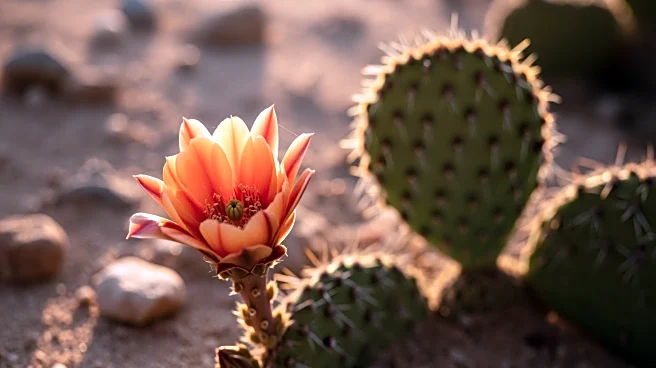
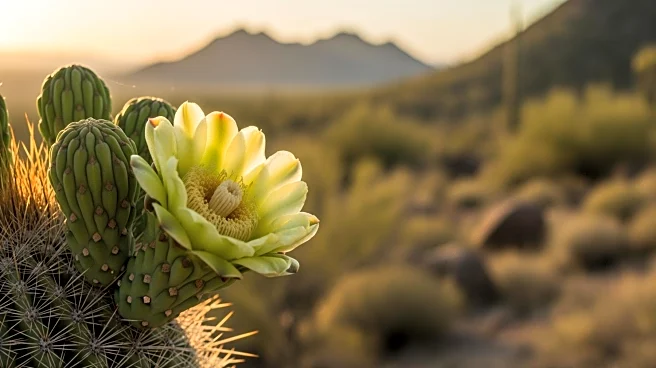
Despite its harsh climate, the Colorado Desert supports a rich diversity of flora and fauna. The desert's terrestrial habitats include creosote bush scrub, mixed scrub with yucca and cholla cactus, and desert saltbush. Higher elevations feature pinyon pine and California juniper. The desert is also home to a variety of wildlife, including mule deer, bobcats, and desert tortoises.
Aquatic and wetland habitats, though limited, are crucial for the survival of many species. The Salton Sea and the Colorado River provide essential water sources for desert wildlife. Unique species such as the arroyo toad and desert pupfish are restricted to these habitats, highlighting the ecological importance of the Colorado Desert's water systems.