
Igor Stravinsky's Ebony Concerto is a masterful blend of classical and jazz elements, showcasing his innovative approach to composition. The concerto is scored for a unique combination of instruments and is structured in three distinct movements. This article explores the instrumentation and structural components that define this remarkable piece.
Unique Instrumentation
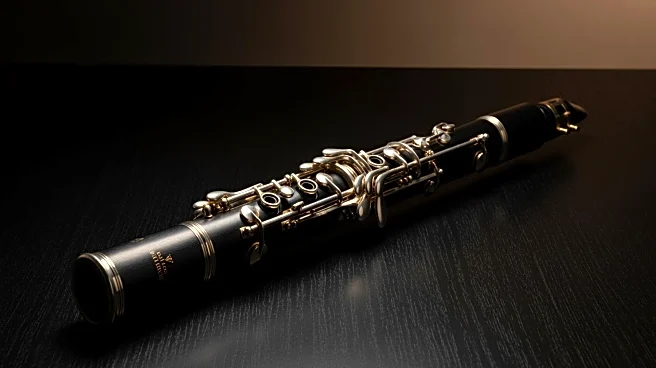
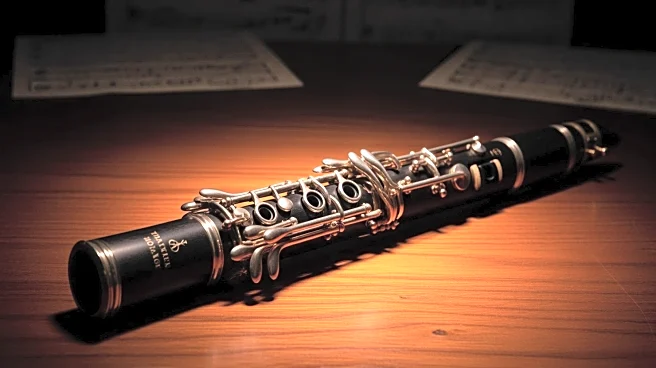
The Ebony Concerto is scored for solo clarinet in B-flat and a jazz band consisting of various saxophones,
clarinets, and brass instruments. The ensemble includes two alto saxophones in E-flat, two tenor saxophones in B-flat, a baritone saxophone in E-flat, three clarinets in B-flat, a bass clarinet in B-flat, a horn in F, five trumpets in B-flat, three trombones, piano, harp, guitar, double bass, and drum set. Notably, the horn and harp were additions to the typical makeup of Woody Herman's band.
Stravinsky initially planned to include an oboe, but this instrument did not make it into the final version of the score. The choice of instruments reflects Stravinsky's desire to create a rich tapestry of sound, blending the timbres of classical and jazz ensembles. The inclusion of instruments like the harp and horn adds a unique color to the jazz band, enhancing the concerto's distinctive sound.
Three Movements
The Ebony Concerto is structured in three movements, each with its own character and thematic development. The first movement, Allegro moderato, is a sonata-allegro in B-flat major with a second subject in E-flat major. This movement sets the stage with its lively and engaging themes, showcasing the solo clarinet's virtuosity.
The second movement, Andante Moderato, is a blues in F minor, transitioning to F major at the end. This movement provides a contrast to the first, with its slower tempo and blues-inspired melodies. Stravinsky's use of blues elements highlights his engagement with jazz traditions, creating a soulful and expressive middle section.
Finale and Variations
The final movement is a theme and variations with a coda, marked "Vivo." This movement features the solo clarinet in a final display of virtuosity, bringing the concerto to a dynamic conclusion. Among Stravinsky's compositions using variation form, the Ebony Concerto is unusual for employing this form as a finale.
The variation movement begins and ends in the same key, a practice Stravinsky rarely adhered to. The second variation repeats the melodic theme, functioning as an internal recapitulation and suggesting a fusion of variation with rondo form. This structural choice adds complexity and depth to the concerto, showcasing Stravinsky's innovative approach to musical form.
The Ebony Concerto's instrumentation and structure reflect Stravinsky's ability to blend diverse musical elements, creating a piece that is both challenging and rewarding for performers and listeners alike.