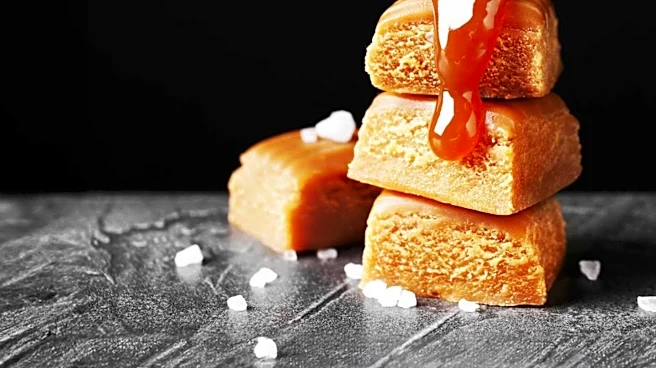





Caramelization is a fascinating chemical process that transforms sugar into a rich, brown substance with a distinct flavor. This process is widely used in cooking to add depth and complexity to various dishes. At its core, caramelization involves the pyrolysis of sugar, which is the breakdown of sugar molecules under heat. This article delves into the science behind caramelization, exploring the chemical reactions and conditions that make this process possible.
The Chemical Reactions of Caramelization
Caramelization is a complex series of chemical reactions that occur when sugar is heated. As the temperature rises, sugar molecules begin to break down, leading to the formation of new compounds. These reactions produce hundreds of chemical products, including volatile chemicals like diacetyl, which is known for its intense butter-like taste. The process also results in the formation of three groups of polymers: caramelans, caramelens, and caramelins, each contributing to the characteristic brown color and flavor of caramel.
Unlike the Maillard reaction, which involves amino acids, caramelization is a type of non-enzymatic browning that is pyrolytic in nature. This means it does not require the presence of proteins or amino acids to occur. Instead, it relies solely on the thermal decomposition of sugar. When sucrose, a common disaccharide, undergoes caramelization, it breaks down into the monosaccharides fructose and glucose, which further react to form the complex flavors and colors associated with caramel.
Factors Affecting Caramelization
The rate and outcome of caramelization are influenced by several factors, including temperature and the chemical environment. Each type of sugar has a specific temperature at which caramelization begins. Impurities in sugar, such as those found in brown sugar, can accelerate the process. Additionally, the acidity or pH level of the environment can significantly impact the reaction rate. Caramelization occurs most slowly at a near-neutral pH of around 7 but is accelerated under both acidic (pH below 3) and basic (pH above 9) conditions.
Understanding these factors is crucial for chefs and food scientists who wish to control the caramelization process to achieve desired flavors and colors in their culinary creations. By manipulating temperature and pH, they can fine-tune the caramelization process to enhance the sensory qualities of food.
The Role of Caramelization in Cooking
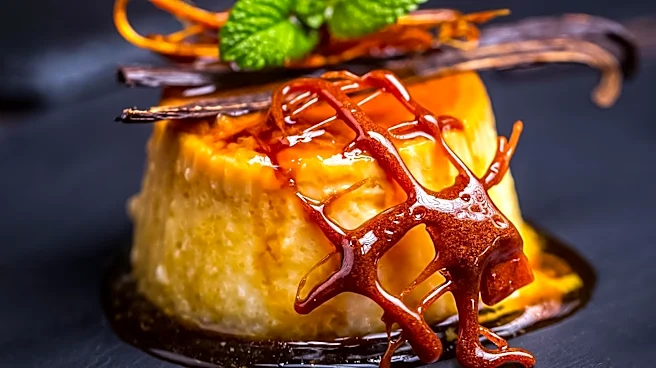
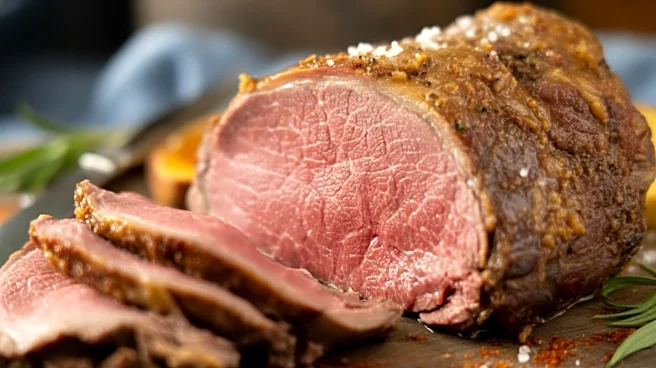
Caramelization plays a vital role in cooking, contributing to the flavor and appearance of a wide range of foods. It is used extensively in the preparation of desserts, sauces, and confections, where the rich, nutty flavor and appealing brown color are highly prized. The process is also employed in savory dishes, where it adds depth and complexity to the overall flavor profile.
In addition to its culinary applications, caramelization is an important process in the food industry, where it is used to produce caramel color, a widely used food additive. This additive enhances the appearance of various products, from soft drinks to baked goods, by imparting a consistent and appealing color.
Overall, caramelization is a key process in both home cooking and industrial food production, offering a unique combination of flavor and color that enhances the sensory experience of food.