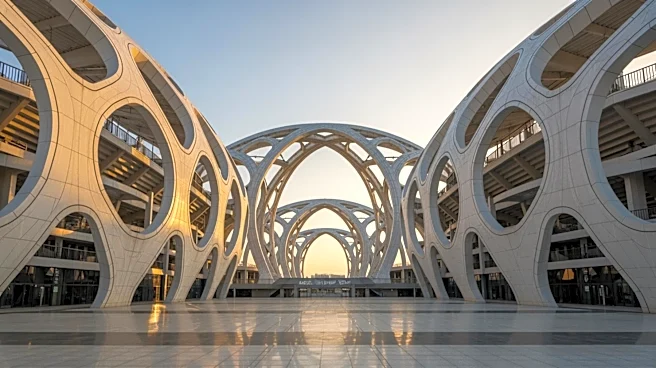










Al Thumama Stadium stands as a testament to the fusion of modern engineering and traditional Arabic culture. Located in Doha, Qatar, this stadium was one of the venues for the 2022 FIFA World Cup. Its design, inspired by the traditional taqiyah hat, reflects the rich cultural heritage of the Middle East. The stadium not only served as a sports venue but also as a symbol of cultural pride and architectural innovation.
Design Inspiration
The architectural design of Al
Thumama Stadium was crafted by Ibrahim Jaidah, the Chief Architect of Arab Engineering Bureau. The design draws inspiration from the taqiyah, a traditional cap worn by men and boys across the Middle East. This choice of design is significant as it represents a cultural artifact that is deeply rooted in the region's history. The stadium's exterior mimics the intricate patterns of the taqiyah, creating a visually striking structure that stands out in the landscape of Doha.
The decision to incorporate cultural elements into the stadium's design highlights Qatar's commitment to showcasing its heritage on a global stage. By choosing a design that resonates with the local population, the stadium becomes more than just a sports venue; it becomes a cultural landmark. This approach to architecture not only preserves traditional elements but also introduces them to an international audience, fostering a greater understanding and appreciation of Middle Eastern culture.
Construction and Features
The construction of Al Thumama Stadium was a joint venture between Al Jaber Engineering of Qatar and Tekfen Construction of Turkey. The stadium boasts a seating capacity of 40,000, making it a significant venue for large-scale events. Surrounding the stadium is a 50,000 square meter public park, providing a green space for visitors and enhancing the stadium's aesthetic appeal.
The stadium's design and construction were carefully planned to ensure it met the requirements of hosting international events like the FIFA World Cup. The inclusion of modern amenities and facilities ensures that the stadium can accommodate large crowds while providing a comfortable experience for spectators. The integration of traditional design elements with modern engineering showcases Qatar's ability to blend cultural heritage with contemporary needs.
Post-World Cup Transformation
Following the 2022 FIFA World Cup, Al Thumama Stadium is set to undergo a transformation. Half of the stadium's seats will be removed and donated to other countries, reducing its capacity to 20,000. This change reflects a sustainable approach to stadium design, ensuring that the venue remains functional and relevant beyond the World Cup.
The transformation of the stadium also includes the development of service and recreational facilities, further enhancing its role as a community hub. By adapting the stadium for post-World Cup use, Qatar demonstrates its commitment to sustainability and community development. This approach ensures that the stadium continues to serve the local population while maintaining its cultural significance.