

The Minnesota Vikings, a professional American football team based in Minneapolis, have a rich history that dates back to the late 1950s. Established in 1959, the team began its journey in the National Football League (NFL) in 1961. The Vikings were named to reflect Minnesota's Scandinavian heritage, a nod to the state's cultural roots. This article delves into the early years of the Vikings, exploring the circumstances surrounding their founding
and their initial seasons in the NFL.
The Birth of a Franchise
In August 1959, professional football returned to the Minneapolis–Saint Paul area, known as the Twin Cities, after a hiatus since the 1930s. The Minneapolis Marines/Red Jackets had been the area's NFL team in the 1920s and 1930s, but it wasn't until local businessmen Bill Boyer, H. P. Skoglund, and Max Winter were awarded a franchise in the new American Football League (AFL) that professional football made a comeback. However, the story took a turn when the ownership group, under pressure from the NFL, decided to forgo their AFL membership.
In January 1960, the NFL awarded the group the league's 14th franchise, with plans to begin play in 1961. This decision marked the official birth of the Minnesota Vikings. Ole Haugsrud, a former owner of the Duluth Eskimos, was added to the ownership group due to a prior agreement with the NFL, which granted him a stake in any future Minnesota team.
Establishing the Team Identity
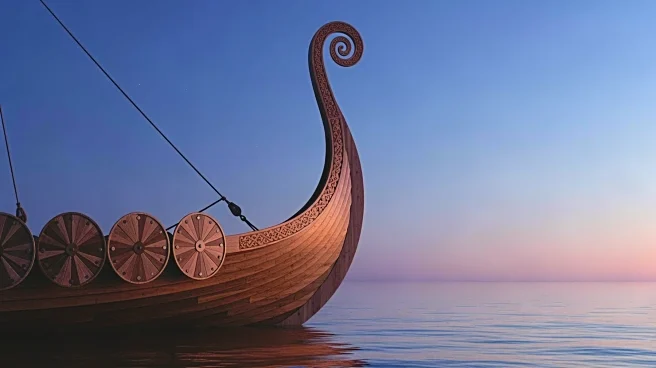
The team was officially named the Minnesota Vikings on September 27, 1960. The name was chosen to reflect Minnesota's significant Scandinavian American culture, a fitting tribute to the state's heritage. From the outset, the Vikings embraced an energetic marketing strategy, which resulted in impressive first-year season ticket sales of nearly 26,000. The team's home games were played at Metropolitan Stadium, which initially had a capacity of 40,800, later expanded to 47,900.
Bert Rose, formerly of the Los Angeles Rams, was appointed as the team's first general manager. The search for the first head coach was a notable event, with several candidates considered before Norm Van Brocklin, a former Philadelphia Eagles quarterback, was hired in January 1961.
The Early Seasons
As a new franchise, the Vikings had the first overall pick in the 1961 NFL draft, selecting running back Tommy Mason. They also drafted quarterback Fran Tarkenton, who would become a key player in the team's history. The Vikings won their first regular-season game against the Chicago Bears, with Tarkenton coming off the bench to lead the team to victory.
Despite a promising start, the Vikings faced challenges typical of an expansion team, finishing their inaugural season with a 3–11 record. The team struggled throughout much of the 1960s, but these early years laid the foundation for the franchise's future successes and established the Vikings as a beloved team in Minnesota.