






Book design has evolved significantly over the centuries, from the illuminated manuscripts of the Middle Ages to the sophisticated publications of today. This evolution reflects changes in technology, artistic trends, and cultural values, as well as the ongoing quest to create books that are both beautiful and functional.
Early Book Design
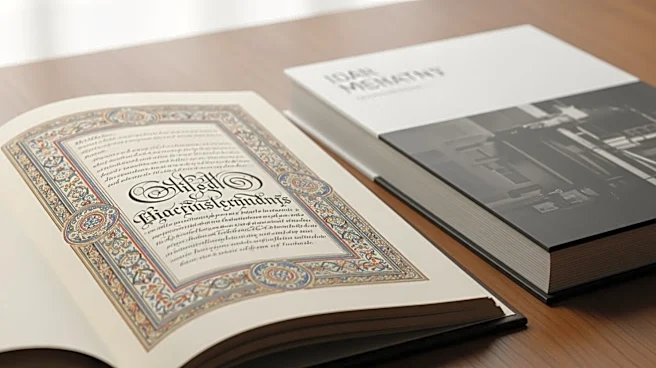
The history of book design begins with the illuminated manuscripts of the Middle Ages, where scribes and artists worked together
to create books that were both visually stunning and informative. These manuscripts often featured elaborate illustrations, decorative borders, and intricate lettering, all designed to enhance the reader's experience and convey the importance of the text.
With the advent of printing in the 15th century, book design underwent a major transformation. The use of woodcut illustrations and movable type allowed for greater consistency and efficiency in book production. Printers began to experiment with different layouts and typographic styles, setting the stage for the development of modern book design principles.
The Renaissance and Beyond
During the Renaissance, book design continued to evolve as new printing techniques emerged. Engraving and etching allowed for finer detail and sharper definition in illustrations, while the use of intaglio printing techniques became dominant. This period saw the rise of beautifully illustrated books on topics such as geography, natural history, and children's literature.
The 19th century brought further innovations in book design, with the introduction of lithography and chromolithography. These techniques allowed for more accurate and varied textual representation, as well as the possibility of color printing. Artists like Aubrey Beardsley and movements such as Art Nouveau and Aestheticism influenced book illustrations, adding a new level of artistic expression to the design process.
Modern Book Design
Today, book design is a sophisticated craft that combines traditional principles with modern technology. Designers use digital tools to create layouts, select typefaces, and incorporate visual elements, all while adhering to established design rules. The goal is to produce books that are not only visually appealing but also easy to read and navigate.
Contemporary designers like Jan Tschichold and Ellen Lupton have contributed significantly to the field, developing theories and techniques that continue to influence book design. Their work highlights the importance of understanding the historical context and evolution of design principles, as well as the need to adapt to modern technologies and trends.
The evolution of book design is a testament to the enduring power of the written word and the human desire to create beautiful, meaningful objects. As technology continues to advance, book designers will undoubtedly find new ways to enhance the reader's experience and communicate the author's message.