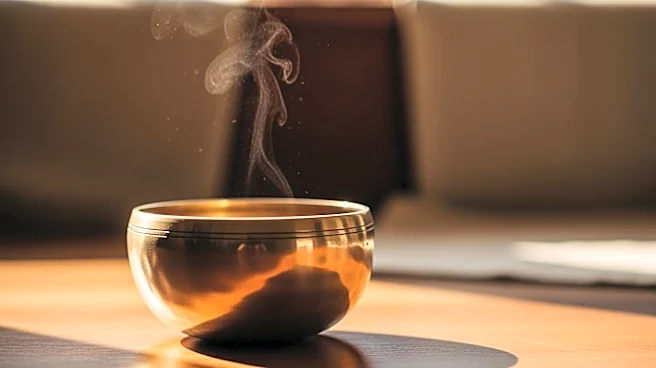




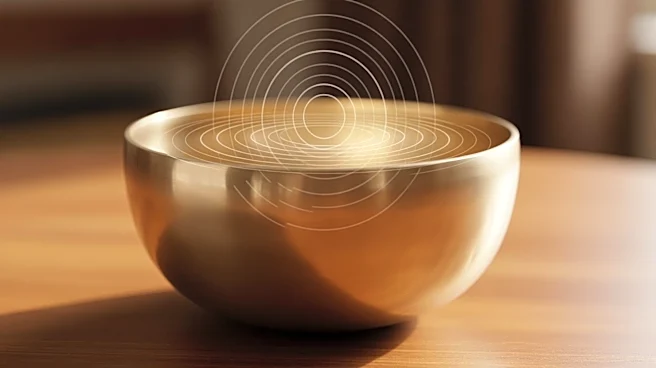
Tibetan singing bowls, often associated with ancient spiritual practices, are actually a modern phenomenon. Despite their name, these instruments do not have historical roots in Tibet. Instead, they gained popularity in the United States during the 1970s, becoming a symbol of new-age music and meditation practices. This article explores the modern origins of Tibetan singing bowls and their rise to prominence in Western culture.
The Misconception of Ancient Origins
While many believe that
Tibetan singing bowls have ancient origins, historical records do not support this claim. The bowls are often linked to the pre-Buddhist, shamanic Bon-Po tradition, but there is no evidence to suggest that they were used for singing in ancient Tibet. In fact, historical accounts of Tibetan music, such as those by Perceval Landon in the early 20th century, make no mention of singing bowls. This suggests that the association of these bowls with ancient Tibetan practices is a modern construct rather than a historical fact.
The misconception of their ancient origins may stem from the bowls' visual and auditory appeal, which aligns with Western perceptions of mystical and spiritual practices. However, the reality is that the use of bowls specifically for singing is a modern development, not rooted in traditional Tibetan culture.
The Rise of Singing Bowls in the West
The popularity of Tibetan singing bowls in the West can be traced back to the 1970s. During this time, the bowls became a part of the new-age music movement, which sought to create a sense of peace and relaxation through sound. The seminal recording "Tibetan Bells" by Henry Wolff and Nancy Hennings played a significant role in introducing these bowls to a Western audience. This recording, along with others, helped establish a unique style of American singing bowl music that was often marketed as "Tibetan music."
As the new-age movement gained traction, Tibetan singing bowls became a prominent symbol of this genre. They were marketed as tools for meditation and healing, appealing to those seeking alternative spiritual experiences. This marketing strategy contributed to the widespread belief that the bowls were an integral part of Tibetan culture, despite their modern origins.
The Cultural Impact of Singing Bowls
Today, Tibetan singing bowls are widely used in meditation, music, and wellness practices around the world. They have become a visual and musical symbol of Tibet, particularly in the United States. This is largely due to their association with new-age music and the perception of Tibet as a mystical and spiritual place.
The bowls' popularity has also led to a proliferation of shops selling them, particularly in areas with a strong interest in alternative spirituality. Despite their modern origins, Tibetan singing bowls continue to captivate audiences with their soothing sounds and perceived spiritual benefits. This enduring appeal highlights the power of cultural symbols and the ways in which they can transcend their original contexts to become part of a global cultural phenomenon.