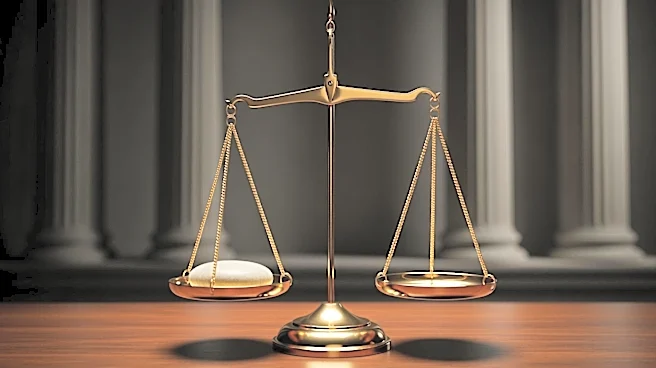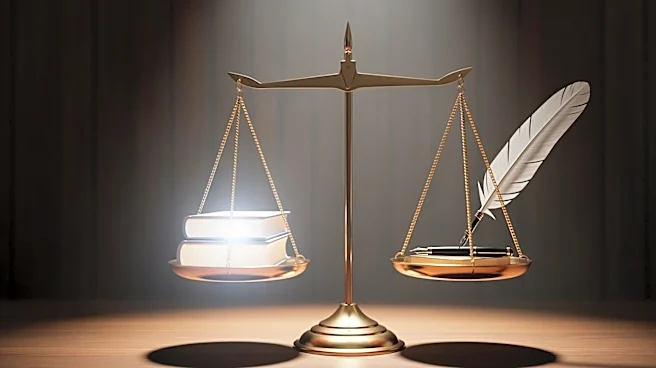








Fair use is a critical doctrine within U.S. copyright law that allows for the limited use of copyrighted material without obtaining permission from the copyright holder. This doctrine is designed to balance the interests of copyright holders with the public's interest in the wider distribution and use of creative works. By providing a defense to copyright infringement claims for certain limited uses, fair use plays a vital role in fostering creativity
and innovation.
The Origins and Development of Fair Use
The concept of fair use originated as a judicially created common law during the 18th and 19th centuries. It was developed to prevent copyright law from being too rigidly applied, which could stifle the very creativity that copyright law is designed to foster. The doctrine was later enshrined in statutory law with the passage of the Copyright Act of 1976.
The U.S. Supreme Court has issued several major decisions clarifying and reaffirming the fair use doctrine since the 1980s. These decisions have helped shape the understanding and application of fair use in various contexts, ensuring that it remains a flexible and adaptable component of copyright law.
The Four Factors of Fair Use
Fair use is determined by a four-factor test, which considers the purpose and character of the use, the nature of the copyrighted work, the amount used, and the impact on the market of the original work. These factors are intended to provide a balanced approach to determining whether a particular use qualifies as fair use.
The purpose and character of the use, including whether it is of a commercial nature or for nonprofit educational purposes, is a key consideration. Transformative uses, which add something new or alter the original work in a meaningful way, are more likely to be considered fair use. The nature of the copyrighted work, whether it is factual or creative, also plays a role in the analysis.
The Impact of Fair Use on Creativity and Innovation
Fair use is essential for enabling activities such as commentary, criticism, news reporting, research, and scholarship. It allows for the legal, unlicensed citation or incorporation of copyrighted material in another author's work, fostering a culture of creativity and innovation.
The doctrine of fair use has been instrumental in supporting the growth of various industries, including technology, media, and education. By providing a legal framework for the limited use of copyrighted material, fair use encourages the development of new ideas and the dissemination of knowledge.
In conclusion, fair use is a cornerstone of U.S. copyright law, ensuring that the rights of copyright holders are balanced with the public's interest in accessing and using creative works. Its flexible and adaptable nature allows it to remain relevant in an ever-evolving digital landscape, supporting creativity and innovation across various fields.