



TCR Touring Car racing has become a significant force in the world of motorsport since its introduction in 2014. This racing specification was designed to offer a cost-effective and competitive platform for touring car racing, and it has since grown to be used in numerous series worldwide. The TCR formula is based on production vehicles, making it accessible to a wide range of manufacturers and teams. This article explores the evolution of TCR Touring Car racing, from
its inception to its current status as a global racing phenomenon.
The Birth of TCR Touring Car Racing
The TCR Touring Car specification was first introduced in 2014, with the inaugural season taking place in 2015. The concept was developed by Marcello Lotti, a former manager of the World Touring Car Championship. The idea was to create a racing series that was more affordable and accessible than existing touring car championships. The TCR specification was initially known as TC3, indicating its position as an entry-level category in the touring car hierarchy. However, after receiving approval from the FIA in December 2014, it was renamed TCR.
The TCR formula was inspired by the SEAT León Cup Racer, which served as a prototype for the new specification. The 2.0-liter engine formula, along with standardized components like the front splitter and rear wing, were derived from this car. The TCR series quickly gained traction, attracting interest from manufacturers and teams looking for a cost-effective way to compete in touring car racing.
Global Expansion and Popularity
Since its inception, TCR Touring Car racing has expanded rapidly across the globe. The specification is now employed by a multitude of series worldwide, including regional and national championships. The TCR World Tour, which began in 2023, is an international series that further solidifies the global reach of TCR racing. This expansion has been facilitated by the formula's affordability and the ability to use production-based vehicles, which lowers the barrier to entry for teams and manufacturers.
The TCR specification has also been adopted by the FIA for the World Touring Car Cup (WTCR), further cementing its status as a leading touring car formula. The WTCR uses the same technical regulations as TCR, ensuring consistency and competitiveness across different series. This global expansion has made TCR racing a popular choice for drivers and teams looking to compete on an international stage.
Technical Innovations and Adjustments
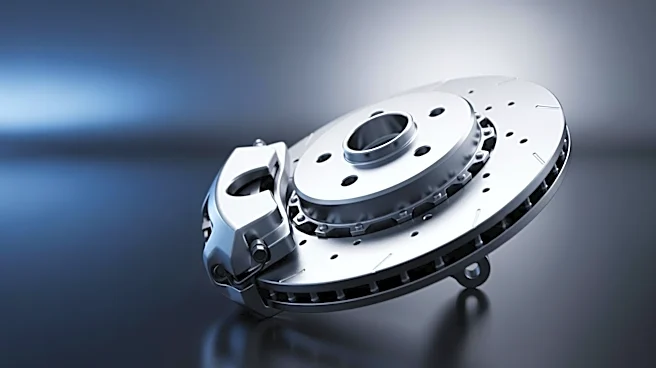
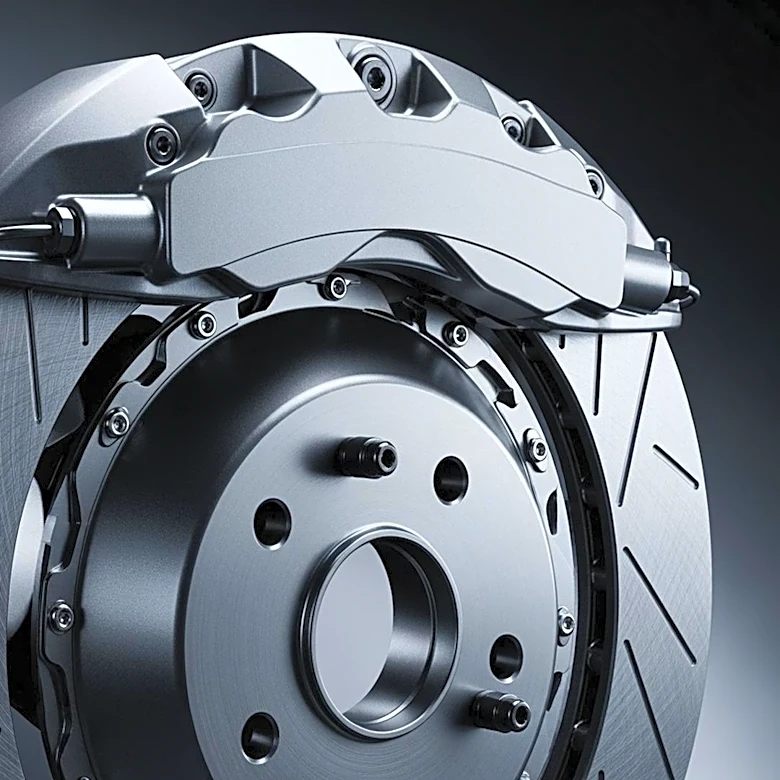
The TCR Touring Car specification has undergone several technical adjustments since its introduction. The regulations allow for modifications to the production body shell and suspension layout to accommodate the demands of racing. Upgraded brakes and aerodynamics are also permitted to enhance performance on the track. To ensure close competition between different vehicles, the series employs a Balance of Performance (BoP) system, which adjusts the performance of cars to maintain parity.
These technical innovations have contributed to the success and popularity of TCR racing. The ability to use production-based vehicles with specific racing modifications has attracted a diverse range of manufacturers, including Audi, Honda, Hyundai, and SEAT. This diversity has led to exciting and competitive racing, drawing fans and participants from around the world.