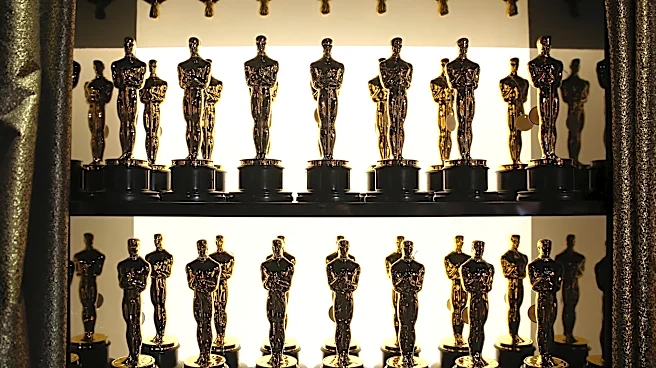








The 42nd Academy Awards, held on April 7, 1970, at the Dorothy Chandler Pavilion in Los Angeles, marked a significant moment in Oscar history. This ceremony was notable for several groundbreaking achievements and records that set it apart from previous years. From the first satellite broadcast to international audiences to the unique ratings of winning films, the event was filled with milestones that continue to be remembered.
Satellite Broadcast and International Reach
For the first time, the Academy
Awards ceremony was broadcast via satellite to an international audience. This technological advancement allowed viewers outside North America to experience the glamour and excitement of the Oscars live. However, despite the potential for global reach, only Brazil aired the event live outside North America. The broadcast rights in Brazil were initially held by TV Tupi but later moved to a joint venture of TV Bandeirantes and TV Record.
The decision to broadcast the ceremony internationally was a significant step in expanding the Oscars' global presence. Although television standards conversion was challenging at the time, about 50 other countries broadcast the event on a delay. In Europe, where most TV broadcasters signed off at midnight, the Oscars were recorded on film and shipped to broadcasters with a minimum four-day delay.
Unique Film Ratings and Nominations
The 42nd Academy Awards were also notable for the unique ratings of the films involved. "Midnight Cowboy" became the first and only X-rated film to win Best Picture, a rating that was later changed to R in 1971 after the MPAA revised its criteria. This marked a departure from the previous year when "Oliver!" became the only G-rated film to win Best Picture. The ceremony also saw "They Shoot Horses, Don't They?" set a record by receiving nine nominations without one for Best Picture.
Additionally, Jack Nicholson received his first Oscar nomination for Best Supporting Actor for "Easy Rider," beginning his journey to becoming the most-nominated male performer in Oscars history. The ceremony was also the first in which every acting nomination was in color, reflecting the industry's shift towards more vibrant and visually engaging films.
Memorable Performances and Awards
The ceremony featured memorable performances, including an impromptu dance by Fred Astaire, who had never danced on the Academy Awards broadcast before. Astaire's performance, though scripted and rehearsed, added a touch of elegance and nostalgia to the event. Cary Grant's Academy Honorary Award was described as the most popular of the evening, with the audience going wild over his recognition for his mastery of screen acting.
Overall, the 42nd Academy Awards were a night of firsts, setting records and breaking new ground in the film industry. The event's unique achievements continue to be celebrated and remembered as pivotal moments in Oscar history.