




Martha's Vineyard, an island located just south of Cape Cod in Massachusetts, has a rich history that spans centuries. Known for its affluent summer colony, the island has evolved through various historical phases, from its original Native American inhabitants to its role in the whaling industry and beyond. This article delves into the historical milestones that have shaped Martha's Vineyard into the unique destination it is today.
Pre-European Settlement
Before European
settlers arrived, Martha's Vineyard was inhabited by the Wampanoag people. The island was known in the Massachusett language as Noepe, meaning "land amid the streams." In 1642, the Wampanoag population on the island was estimated to be around 3,000. However, by 1764, this number had drastically reduced to 313, highlighting the impact of European colonization.
The island's first European settlement began with Thomas Mayhew's purchase of Martha's Vineyard, Nantucket, and the Elizabeth Islands. Mayhew maintained friendly relations with the Wampanoag, respecting their land rights, which helped establish a peaceful coexistence. His son, Thomas Mayhew Jr., founded the first settlement at Great Harbor, now known as Edgartown.
Colonial Era and Whaling Industry
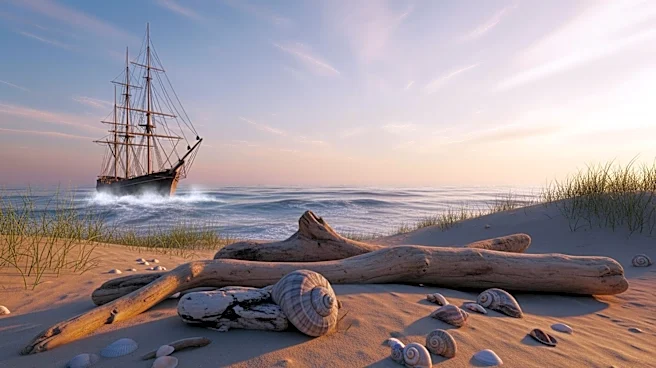
During the colonial era, Martha's Vineyard became a significant player in the whaling industry. The island's strategic location made it an ideal port for whaling ships, which contributed to its economic growth. The whaling industry brought prosperity to the island, with ships traveling worldwide to hunt whales for their oil and blubber.
However, the discovery of petroleum in Pennsylvania led to a decline in the whaling industry by 1870, as it provided a cheaper source of oil for lamps. Despite this economic downturn, the island's reputation as a resort for tourists and the wealthy continued to grow, attracting summer residences and visitors.
Modern Developments
In the modern era, Martha's Vineyard has become a popular summer destination, known for its picturesque landscapes and cultural significance. The island has hosted numerous celebrities and political figures, including President Bill Clinton and President Barack Obama, who have spent regular vacation time on the island.
Martha's Vineyard has also been the site of notable events, such as the filming of the movie Jaws in 1974 and the Chappaquiddick incident involving Senator Ted Kennedy in 1969. These events have contributed to the island's notoriety and cultural impact.
Today, Martha's Vineyard continues to balance its historical heritage with modern tourism, preserving its unique charm and appeal to visitors from around the world.